
A smile can look mostly straight and still have a bite that makes chewing uncomfortable, wears down teeth unevenly, or leaves spaces that are hard to keep clean. That is why the choice between braces vs clear aligners is about more than appearance. Both treatments can create meaningful changes, but they work differently and ask different things of the patient.
For many children, teens, and adults in Northern Colorado, the best option comes down to the orthodontic concern being treated, daily routines, and how much flexibility is realistically manageable. A thoughtful exam and conversation can make the decision feel much less overwhelming.
Braces vs Clear Aligners: The Core Difference
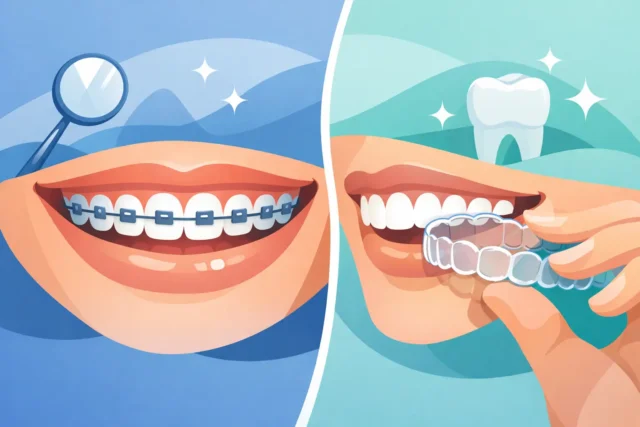
Traditional braces use brackets attached to the teeth and a wire that is adjusted over time. This system applies steady, guided pressure to move teeth and can be highly effective for a wide range of orthodontic needs. Because braces stay in place throughout treatment, they do not rely on a patient remembering to wear them each day.
Clear aligners are a series of custom, removable trays. Each set is worn for a prescribed period before moving to the next set, gradually guiding teeth into their planned positions. Options such as SureSmile aligners are designed around a personalized treatment plan and can be a welcome choice for patients who want a more discreet approach.
Neither treatment is automatically better. The right recommendation depends on the complexity of tooth and bite movement, oral health, lifestyle, and commitment to following the plan.
When Braces May Be the Better Choice
Braces are often recommended when a smile needs significant or precise movement. They can be particularly useful for complex crowding, major rotations, teeth that need to move vertically, or bite concerns involving the relationship between the upper and lower teeth. They give the dental team continuous control because the appliance is working all the time.
They can also be a practical choice for younger patients or anyone who may have difficulty wearing removable aligners for the recommended 20 to 22 hours daily. With braces, there is no tray to misplace at school, leave on a restaurant napkin, or forget to put back in after a snack.
That built-in consistency comes with a few adjustments. Brackets and wires can initially rub against the cheeks or lips, although orthodontic wax and a brief adjustment period usually help. Food choices also change. Sticky candy, chewing gum, popcorn, and hard foods can damage brackets or wires, so patients need to be mindful at meals.
Cleaning takes extra care, too. Brushing around brackets and between wires is essential, particularly after meals. A patient who is prone to cavities or gum inflammation needs a reliable home-care routine and regular professional cleanings during treatment.
Braces Are Not Just for Teens
Adults often assume braces are only for children, but that is not the case. Modern braces can be an excellent option for adults whose goals require more complex correction or who prefer not to manage removable trays. The visible hardware is a consideration, but many patients decide that dependable, comprehensive tooth movement is worth it.
When Clear Aligners May Be the Better Choice
Clear aligners appeal to patients who want orthodontic treatment to blend more easily into work, school, photos, and everyday life. The trays are clear and closely fitted to the teeth, making them far less noticeable than traditional brackets. They can be removed for meals, brushing, flossing, and special occasions.
That removability is a major advantage for oral hygiene. Patients can brush and floss normally without working around wires. There are no food restrictions while aligners are out, although the trays should generally only be worn while drinking water. Coffee, tea, soda, and other drinks can stain or warp trays, and sugary beverages raise cavity risk when trapped against the teeth.
Clear aligners are often a good fit for mild to moderate crowding, spacing, and certain bite concerns. They can also address many cases that once would have required braces. Still, aligners are not ideal for every orthodontic situation. Some movements are more predictable with braces, and more involved bite correction may call for fixed appliances or a combination approach.
The biggest factor is wear time. Aligners work only when they are in the mouth. Taking them out for long lunches, frequent snacking, or social events can slow progress and affect the final result. For the right patient, that responsibility feels simple. For someone with a busy schedule or a child who may not keep track of trays, braces may be less stressful.
Comfort, Appearance, and Everyday Life
Both braces and clear aligners use gentle pressure to move teeth, so some tenderness is normal after an adjustment or when starting a new aligner tray. Most patients describe it as pressure rather than sharp pain, and it usually eases within a few days.
Clear aligners tend to cause less irritation to the cheeks and lips because they have smooth edges. Braces can create temporary sore spots, especially early in treatment or after adjustments. A wire can occasionally shift or poke, which may require a quick office visit.
Appearance matters, and it is reasonable to factor that into the choice. Clear aligners are especially popular with adults and image-conscious teens because they are subtle. Braces are more visible, but some younger patients enjoy choosing colorful elastic bands and see them as part of the experience.
Treatment Time and Results
Treatment length varies more by the starting condition and patient cooperation than by the appliance itself. Many orthodontic cases take roughly 12 to 24 months, while more complex plans can take longer. During a consultation, your dental team can discuss a more personalized estimate based on your smile, bite, and goals.
With aligners, wearing trays as directed and changing them on schedule helps treatment stay on track. With braces, keeping appointments and avoiding broken brackets or wires helps prevent delays. In either case, retainers are essential after active treatment. Teeth naturally tend to shift over time, and a retainer protects the progress you worked hard to achieve.
It is also helpful to remember that a straight smile is not the only goal. Correcting crowding or bite issues may improve cleaning access, support healthier gums, reduce uneven tooth wear, and make biting or chewing more comfortable.
Cost and Insurance Considerations
The cost of braces and clear aligners can overlap, particularly when treatment needs are similar. The final fee depends on the complexity of the case, estimated treatment length, records and planning, follow-up visits, and the type of appliance recommended. Clear aligners are not always more expensive, and braces are not always the lower-cost option.
If you have dental insurance, orthodontic benefits may help cover part of treatment, though coverage varies by plan and may include age restrictions or lifetime maximums. For patients without insurance, it is worth asking about payment options and membership benefits that may make ongoing dental care easier to manage.
A lower initial price should not be the only deciding factor. Orthodontic treatment is a long-term investment in oral health and confidence, so the treatment should match the actual needs of your teeth and bite rather than a one-size-fits-all promise.
How to Choose Between Braces and Aligners
Start with the question your dentist is trying to solve. Is the main concern mild spacing, or is there crowding, a crossbite, an overbite, jaw discomfort, worn teeth, or a tooth that needs significant movement? The more complex the treatment goals, the more valuable a professional evaluation becomes.
Then be honest about daily habits. A responsible teen or adult who can wear trays consistently may thrive with clear aligners. A child who loses water bottles, jackets, and lunch containers may do better with braces that stay put. Consider eating habits, brushing routines, sports, upcoming events, and how visible you want treatment to be.
At Trail Ridge Dental, a conversation about orthodontic options should feel supportive, not pressured. Your care team can review your smile, explain what each approach can realistically accomplish, and help you choose a path that works for your health, schedule, and comfort.
The best orthodontic choice is the one that gives you a healthy, functional result and feels manageable enough to finish well. Whether that means braces or clear aligners, a personalized plan can turn a long-standing smile concern into steady, visible progress.