
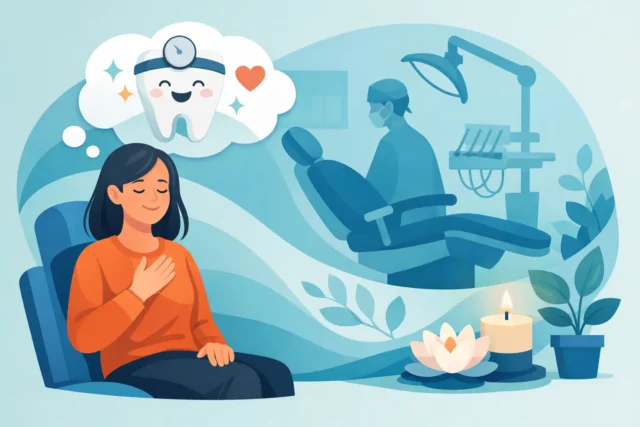
A racing heartbeat in the parking lot. Sleeplessness the night before. The urge to reschedule even when a tooth hurts. Dental anxiety can show up in many ways, and it affects people of every age. Learning how to ease dental anxiety does not mean forcing yourself to be fearless. It means finding a dental team, a plan, and a pace that help you feel safe enough to get the care you need.
Avoiding appointments can allow small concerns to become more painful, more complex, and often more expensive. The good news is that a supportive dental visit can feel very different from what you may remember. A few practical choices before and during your appointment can make a meaningful difference.
Start by telling the dental team how you feel
You do not need to explain every detail perfectly. A simple statement such as, “I am nervous about dental treatment,” gives the team useful information before your appointment begins. If you know what triggers your anxiety, mention that too. It may be the sound of the drill, difficulty lying back, worry about pain, a strong gag reflex, a past negative experience, or concern about costs.
Sharing this information is not an inconvenience. It helps your dentist and hygienist tailor the visit to you. They can explain what to expect before each step, check in more often, allow extra time, or discuss comfort options that fit the treatment you need.
If calling feels difficult, let the office know when you schedule or include a note in your appointment request. Being honest early can take away the pressure of trying to appear calm once you are in the chair.
Ask for a clear plan, not vague reassurance
Anxiety often grows in the gaps where you do not know what will happen next. Ask your dental team to walk you through the appointment in plain language. Knowing how long a visit may take, what sensations are normal, when you might hear a sound, and what happens after treatment can make the experience feel more predictable.
You may also ask which parts of care are essential now and which can wait. For example, a cracked tooth or an active infection may need prompt treatment, while some cosmetic improvements can be scheduled around your comfort level and budget. Understanding those differences gives you more control without delaying care that should not wait.
Cost concerns deserve the same openness. Ask for an estimate and discuss payment or membership options before treatment begins. Financial uncertainty is a common source of dental anxiety, and clear information can make decisions feel less overwhelming.
Choose a stop signal together
Before reclining in the chair, agree on a simple signal, such as raising your hand, to indicate that you need a break. This is especially helpful if you worry that you will not be able to speak during treatment.
A stop signal does not mean every procedure can be paused at every second. There are brief moments when your dentist may need to finish a step safely first. Still, knowing you can ask for a breath, a rinse, or a short pause can make a major difference. You remain an active participant in your care.
Make the day of your visit easier
Small preparations can lower stress before you arrive. Choose an appointment time that does not force you to rush from work, school drop-off, or another demanding responsibility. If possible, plan a little breathing room afterward rather than returning immediately to a packed schedule.
Eat a light meal beforehand unless your dental team has instructed otherwise. Hunger, dehydration, and too much caffeine can make physical anxiety feel more intense. Consider skipping extra coffee or energy drinks that morning, particularly if you already tend to feel shaky or have trouble sleeping before appointments.
Comfort items are welcome for many patients. Wear comfortable clothing, bring headphones if the office permits them, and choose calming music, an audiobook, or a familiar podcast. Some people prefer a trusted family member or friend to drive them to a longer appointment. That can be especially useful when medication or sedation is part of the treatment plan.
Use a breathing technique that works in the chair
When anxiety rises, your body may interpret normal sensations as a threat. Slow breathing helps interrupt that cycle. You do not need a complicated meditation routine to use it.
Try breathing in gently through your nose for four counts, then exhaling slowly for six counts. Repeat several times while you are waiting or during a break. The longer exhale can help your body shift out of its fight-or-flight response.
Another useful option is grounding. Notice three things you can feel: your feet against the floor, your hands resting in your lap, and the support of the chair. Then name three things you can hear. This brings attention back to the present rather than toward a feared future scenario.
Know your comfort and pain-control options
Modern dentistry offers more ways to manage discomfort than many anxious patients realize. The right choice depends on your health history, the procedure, your level of anxiety, and whether you will need someone else to drive you home.
For many treatments, local anesthetic is highly effective at numbing the area being treated. Your dentist can discuss methods for making injections more comfortable and can test that you are adequately numb before beginning. You may still feel pressure, vibration, or movement, but sharp pain is not something you should simply endure. Tell the team immediately if you are uncomfortable.
Some patients benefit from additional anxiety-management options, such as nitrous oxide or oral medication, when clinically appropriate. These approaches have different effects, recovery times, and safety requirements. They are not necessary for every visit, and they may not be suitable for everyone, particularly people with certain medical conditions or medication interactions. A conversation ahead of time helps your dentist recommend the safest option.
Build confidence with smaller visits first
If it has been years since your last appointment, beginning with a routine exam and cleaning can be a gentler way back into care. You do not have to solve every dental concern in one visit. A phased plan may be more realistic if you need several treatments or feel overwhelmed by the idea of a longer procedure.
There are times when prompt care matters, such as facial swelling, severe tooth pain, uncontrolled bleeding, a knocked-out tooth, or signs of infection. In those situations, do not let anxiety keep you from contacting a dental office. The first goal is often relief and stabilization, not completing every part of treatment at once.
Each positive experience helps replace the expectation that dental care will be frightening. That progress can be gradual. The win may be scheduling the appointment, sitting through an exam, or returning for recommended treatment after a long break.
Help children feel safe without passing along fear
Children often take cues from the adults around them. Use calm, simple language before a visit: the dentist will count their teeth, clean them, and help keep their smile healthy. Avoid promising that nothing will feel strange or uncomfortable, since that can undermine trust if a child notices a new sensation.
It also helps to avoid sharing frightening dental stories within earshot. If your child is nervous, let the dental team know in advance. A family-focused practice can explain each step in age-appropriate terms, celebrate cooperation, and help a child build confidence over time.
For children and adults alike, routine preventive visits are usually easier than waiting for pain to force an urgent appointment. Familiarity with the office, team, and process can make future care far less intimidating.
Find a practice that treats anxiety with respect
The relationship matters. Look for a dental team that listens without judgment, welcomes questions, explains recommendations clearly, and respects your boundaries while still being honest about your oral health needs. Convenience matters too. A practice that can provide preventive, restorative, cosmetic, and urgent care may reduce the stress of being sent from office to office when your needs change.
At Trail Ridge Dental, patients throughout Northern Colorado can talk openly about their concerns and work with a team focused on compassionate, high-quality care. Whether you are bringing in a nervous child, returning after years away, or facing a treatment you have been putting off, you deserve to be treated with patience.
Your next appointment does not have to prove that you are brave. It can simply be one manageable step toward a healthier, more comfortable smile.