
Warning Signs You Need a Root Canal
Understanding when your mouth is signaling for help is a crucial part of maintaining your overall health. We know that it can be hard to get yourself and your family to go to the dentist, even when you know you need to. To help make it easier for you, we now offer two convenient locations in Longmont, CO, and Johnstown, CO. Dr. Sean Visgeer, DDS, and our warm, welcoming staff are entirely dedicated to ensuring that your dental experience is positive, enjoyable, and completely transparent.
Many patients feel anxious at the mere mention of endodontic therapy, but understanding the symptoms can help you seek treatment before a minor issue becomes a major infection. Inside every tooth is a core of blood vessels and nerves known as the pulp. When this pulp becomes infected or inflamed due to deep decay or trauma, root canals are required to remove the diseased tissue, relieve your pain, and save the natural tooth. If you are wondering whether your current discomfort requires professional intervention, here are six common signs that you might need this highly effective restorative treatment.
If you’re ready to relieve your severe tooth pain and protect your smile, call our Colorado dentist near you in Johnstown at 970-593-1010 or Longmont at 303-772-6960 today.
1. Persistent and Severe Tooth Pain 
One of the most obvious indicators that something is wrong inside your tooth is persistent, severe pain. This is not the mild, fleeting ache you might get from sinus pressure or a piece of food caught in your gums. Endodontic pain is often described as a deep, throbbing ache that radiates to your jaw, face, or other teeth.
You should pay close attention to how and when the pain occurs. A pulp infection often causes spontaneous pain that wakes you up in the middle of the night or strikes when you are simply resting. Because the nerves inside the tooth are actively dying or under immense pressure from bacterial gas, this level of discomfort typically requires emergency dental care at our dentist office.
2. Prolonged Sensitivity to Hot and Cold
It is relatively common to experience a quick jolt of sensitivity when biting into ice cream or sipping hot coffee. However, if that sensitivity lingers long after the hot or cold element has been removed, it is a strong warning sign of nerve damage.
When the protective enamel wears away or a cavity reaches the inner dentin, the nerves become exposed to extreme temperatures. If the lingering pain lasts for several minutes or causes a sharp, lingering ache, the blood vessels inside the tooth are likely inflamed. Addressing this symptom promptly can prevent the infection from spreading into the surrounding jawbone.
3. Swollen and Tender Gums
Gum health is intrinsically tied to the health of your teeth. If you notice swelling, redness, or tenderness in the gums immediately surrounding a specific tooth, it may be a sign of an internal infection. When the pulp inside your tooth becomes necrotic, the dead tissue and bacteria create acidic waste products.
These toxins can leak out of the tip of the tooth root, causing the surrounding periodontal tissues to become inflamed and swollen. This localized swelling is often tender to the touch and can sometimes extend to your face or neck. This is a clear signal that the infection has progressed beyond the interior of the tooth and needs immediate attention at our Longmont or Johnstown clinic.
4. Noticeable Tooth Discoloration 
While teeth naturally yellow over time due to age or dietary habits, a single tooth that suddenly turns dark gray, brown, or black is a major cause for concern. This type of deep discoloration usually indicates that the pulp tissue inside the tooth has died.
Trauma, such as a sports injury or a severe fall, can damage the internal roots and cause internal bleeding, which stains the tooth from the inside out. Similarly, an untreated bacterial infection can cause the pulp to become necrotic and darken. Even if the discolored tooth is not currently causing you any pain, the dead tissue must be removed to prevent a dangerous abscess from forming.
If you’re ready to address your dental discoloration and prevent serious infections, call our Colorado dentist near you in Johnstown at 970-593-1010 or Longmont at 303-772-6960 today.
5. A Chipped or Cracked Tooth
Your enamel is the hardest substance in the human body, but it is not indestructible. Chewing on ice, grinding your teeth at night, or suffering an impact can easily chip or crack a tooth. When a crack extends deep enough into the tooth structure, it exposes the inner pulp to the bacteria naturally present in your saliva.
Once bacteria breach this protective barrier, an infection is almost inevitable. Even if the crack is microscopic and invisible to the naked eye, it can cause severe pain when you release your bite pressure. Repairing the damage with tooth-colored fillings or protective dental crowns is essential, but if the nerve is already compromised, endodontic therapy will be required first.
- Biting Pain: Sharp pain when you apply or release biting pressure.
- Visible Damage: Deep fractures that split the biting surface.
- Rough Edges: Jagged enamel that irritates your tongue or cheeks.
6. A Pimple on Your Gums 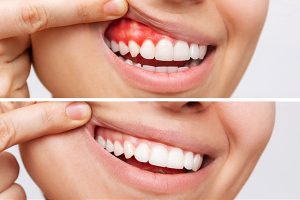
If you discover a small, pimple-like bump on your gums near the root of a painful tooth, you are likely dealing with a dental abscess. This bump, known as a fistula, is your body’s way of draining pus and infection from the root of the tooth into the oral cavity.
You may notice a foul taste in your mouth or chronic bad breath as the pus drains. While the draining might temporarily relieve the pressure and pain in your jaw, the underlying infection is still rapidly destroying your bone. If left untreated, an abscess can lead to complete tooth extractions and can even spread to other parts of your body.
If you’re ready to eliminate a painful dental abscess and save your natural tooth, call our Colorado dentist near you in Johnstown at 970-593-1010 or Longmont at 303-772-6960 today.
Navigating the Financial Aspect of Care
We know that understanding your financial information and insurance benefits can be one of the most stressful parts of seeking medical treatment. Our highly experienced administrative team is here to help you navigate your specific policy, maximize your benefits, and minimize your out-of-pocket expenses for endodontic care.
If you do not have traditional coverage, we firmly believe that a lack of insurance should never prevent you from receiving the high-quality care you need. That is exactly why our practice proudly offers the Trail Ridge Membership Club. By joining our Membership Club, you gain access to significant discounts on restorative procedures without the hassle of insurance claim forms, waiting periods, or annual maximums.
If you’re ready to explore our affordable payment options and receive expert restorative care, call our Colorado dentist near you in Johnstown at 970-593-1010 or Longmont at 303-772-6960 today.
Schedule Your Endodontic Consultation
Ignoring the warning signs of an infected tooth will only lead to more complex and expensive problems down the road. The sooner you seek treatment, the higher the likelihood that we can save your organic root and preserve your natural smile. Our dentists near you are looking forward to seeing you soon at your next dental appointment and providing the compassionate, effective relief you deserve.
If you are experiencing any of these six symptoms, it is time to visit our dentist’s office near you for a comprehensive evaluation and digital x-rays. Dr. Sean Visger and our dedicated team will ensure your experience is completely comfortable, utilizing the latest anesthetics and advanced technology to repair your smile efficiently.
If you’re ready to stop your tooth pain and achieve optimal wellness with Dr. Visger, call our Colorado dentist at 970-593-1010 or Longmont dentist near you at 303-772-6960 today.