
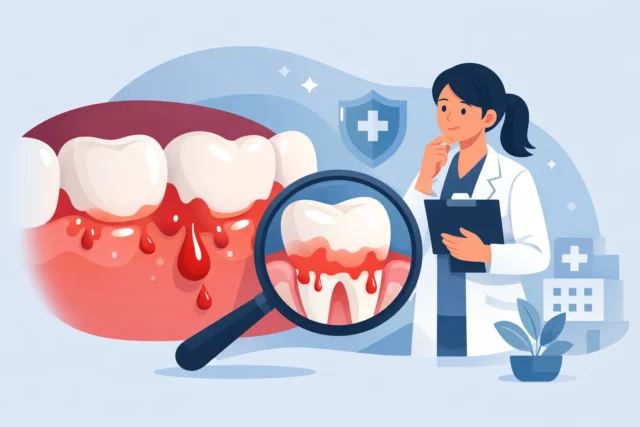
A pink swirl in the sink after brushing can be unsettling, especially when it happens more than once. Bleeding gums causes are often manageable, but bleeding is not something to ignore or simply brush off as normal. Healthy gums generally should not bleed during everyday brushing or flossing.
The good news is that a dental visit can usually pinpoint what is happening and create a comfortable plan for getting your gums back on track. For many patients, the answer starts with improving daily plaque removal and scheduling a professional cleaning. In other cases, bleeding is a sign that your gums need more focused periodontal care or that another health factor deserves attention.
The most common bleeding gums causes
The leading cause of bleeding gums is plaque buildup along and just below the gumline. Plaque is a sticky film of bacteria that forms throughout the day. When it is not fully removed, it irritates the gums, making them red, tender, puffy, and more likely to bleed. This early stage of gum inflammation is called gingivitis.
Gingivitis is common, and it can often be reversed with consistent home care and professional cleanings. It does not always hurt, which is why people can miss the early signs. Bleeding while brushing, flossing, or eating a crisp apple may be the first clue.
If plaque hardens into tartar, brushing and flossing alone cannot remove it. Tartar creates a rough surface that lets more bacteria collect near the gums. A dental hygienist can safely remove these deposits during a cleaning and help identify areas that need more attention at home.
Brushing or flossing technique changes
Starting a flossing routine can temporarily make sensitive gums bleed more, particularly if there is already inflammation between the teeth. That does not mean flossing is hurting your gums. In many cases, gentle daily flossing reduces bleeding over the following week or two because it removes plaque where a toothbrush cannot reach.
Technique matters. Scrubbing hard with a firm brush, snapping floss into the gums, or using a worn-out toothbrush can irritate the tissue. Choose a soft-bristled brush, angle it gently toward the gumline, and use small, controlled motions. Floss should slide carefully between teeth and curve around each tooth rather than cut sharply into the gums.
Gum disease that needs more than a routine cleaning
When gingivitis progresses, it can develop into periodontitis, a more serious form of gum disease. Bacteria and inflammation move deeper below the gumline, forming pockets around teeth. Over time, periodontitis can damage the bone and tissues that hold teeth in place.
Possible signs include persistent bleeding, gum recession, ongoing bad breath, tenderness, changes in the way your teeth fit together, or loose teeth. Periodontitis is not something to manage with a new toothpaste alone. The right care depends on the severity and may include a deeper periodontal cleaning, regular maintenance visits, and a personalized home-care routine.
Other reasons gums may bleed
Plaque is the most frequent explanation, but it is not the only one. Hormone changes during pregnancy, puberty, or menopause can make gums more reactive to plaque. Pregnancy gingivitis is common, and maintaining regular dental care during pregnancy can help protect both comfort and oral health.
Dry mouth can also contribute. Saliva helps rinse away food particles and bacteria, so a dry mouth can raise the risk of plaque buildup, decay, and gum irritation. Certain medications, mouth breathing, dehydration, and some medical conditions can reduce saliva flow.
Medications that affect blood clotting, including some prescription blood thinners and daily aspirin regimens, may make gum bleeding more noticeable. Do not stop or adjust prescribed medication because of bleeding gums without speaking with the clinician who prescribed it. Your dentist can coordinate recommendations with your medical care when needed.
Nutritional deficiencies, tobacco use, poorly fitting dental appliances, and mouth injuries may play a role as well. Less commonly, frequent or unexplained bleeding can be associated with a broader medical concern. That is why a dentist will ask about your health history, medications, and changes you have noticed, not just look at your teeth.
Bleeding gums in children
Children can develop bleeding gums for the same basic reason adults do: plaque collects where brushing is rushed or difficult. New permanent teeth, orthodontic appliances, and changing brushing habits can create extra spots for plaque to hide.
Parents can help by supervising brushing until a child has the coordination to clean thoroughly, typically well into the elementary school years. A soft toothbrush, a pea-sized amount of fluoride toothpaste for children old enough to spit, and gentle daily flossing where teeth touch can make a meaningful difference. If bleeding continues despite consistent care, schedule an exam rather than waiting for the next routine visit.
What to do when your gums bleed
Start by being gentle and consistent, not more aggressive. Brush twice a day for two minutes with a soft-bristled toothbrush and fluoride toothpaste. Clean between your teeth once a day with floss, interdental brushes, or another tool your dental team recommends. It may feel counterintuitive, but avoiding the bleeding area allows plaque and inflammation to remain.
Replace your toothbrush or brush head about every three months, or sooner if the bristles are frayed. Consider whether your current routine reaches the back teeth, the tongue side of lower front teeth, and the gumline around crowns, bridges, implants, or braces. These are common places for plaque to linger.
An antiseptic mouth rinse may be recommended for some patients, but it is not a substitute for brushing, flossing, and professional care. The best choice depends on your gums, dental work, and medical history. For persistent symptoms, a tailored recommendation is more useful than trying several products at random.
When to schedule a dental appointment
Make an appointment if bleeding lasts longer than one to two weeks after you improve your home routine, happens regularly, or occurs without brushing or flossing. You should also be seen sooner if you have swollen gums, pain, pus, a bad taste in your mouth, loose teeth, gum recession, or a visible change in your smile.
Call promptly if bleeding is heavy, difficult to control, follows an injury, or comes with unusual bruising, nosebleeds, fever, or feeling unwell. These symptoms may require urgent medical guidance in addition to dental care.
At an appointment, your dental team can measure the health of your gums, check for tartar below the gumline, evaluate dental restorations, and look for signs of gum disease. If treatment is needed, the plan should be clear: what is causing the bleeding, what treatment involves, how often follow-up is needed, and what you can do at home to protect your results.
For patients who feel nervous about dental care, it is worth saying so when you schedule. A supportive office can explain each step, move at a comfortable pace, and focus on helping you feel informed rather than judged. At Trail Ridge Dental, that relationship-centered approach is part of caring for every member of the practice family.
Bleeding gums are your mouth’s way of asking for attention. A few gentle changes may be enough, but persistent bleeding deserves a professional look so you can protect your comfort, your smile, and your long-term health.