
A damaged tooth can make every meal feel like a decision: chew on the other side, avoid cold drinks, or hope that small crack does not become a bigger problem. In this CEREC crown review, we look at what same-day crowns actually offer, where they shine, and when another type of crown may make more sense for your smile.
For many patients, the biggest advantage is simple. A CEREC crown can often be designed, made, and placed in one visit, rather than requiring a temporary crown and a return appointment weeks later. That convenience is meaningful, but a good crown decision should also account for the tooth’s location, the amount of damage, your bite, and your long-term goals.
What Is a CEREC Crown?
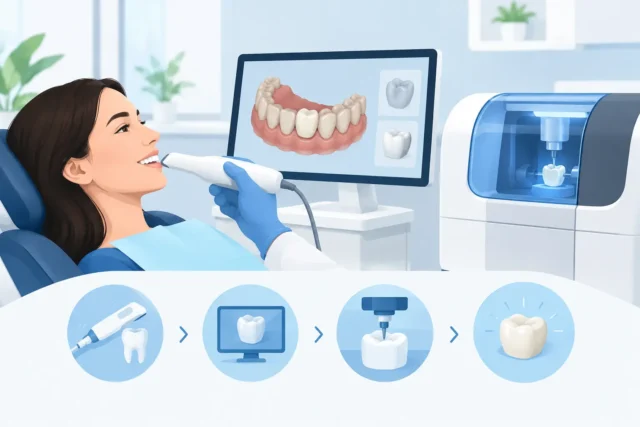
CEREC is a computer-aided system used to create dental restorations in the office. After your dentist prepares the tooth, a digital scanner captures detailed images of the area. Those images guide the design of a custom ceramic crown, which is milled from a solid block of tooth-colored material and bonded into place during the same visit when appropriate.
Traditional crowns generally involve physical or digital impressions, a temporary crown, and a dental laboratory that fabricates the final restoration. Both approaches can produce excellent results. The key difference is how and where the final crown is made.
For patients with busy work schedules, school pickup, travel plans, or dental anxiety about repeated visits, avoiding a temporary crown can be a real relief. It also means you leave with the tooth protected rather than managing food restrictions and temporary cement between appointments.
CEREC Crown Review: Benefits That Matter Day to Day
The appeal of a same-day crown is not just speed. It can make restorative care feel more manageable when a tooth needs prompt attention.
One appointment instead of two
A conventional crown often requires at least two visits. With CEREC technology, the scanning, design, milling, fitting, and placement may happen at one appointment. Appointment length varies based on the tooth and treatment needs, but the overall process can eliminate the need to come back for final crown placement.
This can be especially helpful after a root canal, when a back tooth may need protection from fracture. It can also be useful when an old filling has failed, a crown has broken, or a tooth has a crack that needs timely restoration.
No temporary crown
Temporary crowns serve an important purpose, but they are not always comfortable or convenient. They can feel slightly different from the final crown, may require extra care while eating, and occasionally become loose. Same-day treatment removes that interim stage for many patients.
Digital impressions are more comfortable for many patients
Instead of a tray filled with impression material, CEREC uses a small camera to scan the teeth. Patients who struggle with a strong gag reflex often appreciate this difference. Digital imaging also gives the dentist a detailed view for planning the crown’s fit and bite.
Natural-looking ceramic
CEREC crowns are typically milled from durable ceramic materials selected to blend with natural teeth. For a visible tooth, your dentist considers shade, shape, translucency, and the surrounding teeth. A crown should restore function, but it should also look at home in your smile.
How Durable Are Same-Day Crowns?
A well-designed ceramic crown can provide years of service. Still, no crown is indestructible. Its longevity depends on the material chosen, how much healthy tooth structure remains, the precision of the fit, your bite, and your home care habits.
Teeth that experience heavy biting forces deserve special attention. If you grind or clench your teeth, a night guard may help protect both your natural teeth and your crown. Chewing ice, opening packages with your teeth, and biting hard objects can also chip ceramic, just as they can damage natural enamel.
Regular checkups matter because your dentist can monitor the crown’s edges, bite, and the gum tissue around it. A crown cannot get a cavity, but the natural tooth underneath can still develop decay near the margin if plaque accumulates. Daily brushing, cleaning between teeth, and consistent professional care remain essential.
When a CEREC Crown May Not Be the Best Option
Same-day crowns are an excellent solution for many situations, but they are not automatically the best choice for every tooth. A thoughtful recommendation should never be based on convenience alone.
A front tooth with very specific cosmetic demands may benefit from a lab-crafted crown, particularly when matching subtle color variation or translucency is the highest priority. Complex cases involving several teeth, unusual bite conditions, or major tooth loss may also need a different material or treatment plan.
In some cases, the tooth may need more than a crown. Deep decay or infection may require root canal treatment first. If too little stable tooth structure remains, a crown may need to be combined with a buildup or post, or a different restorative option may be discussed. If gum disease is active, treating the gums first helps create a healthier foundation for any restoration.
The right question is not, “Can this be done in one day?” It is, “What will give this tooth the best chance of staying comfortable, functional, and healthy?”
What Does a CEREC Crown Appointment Feel Like?
Most patients are relieved to learn that the process is similar to receiving a conventional crown. Your dentist numbs the area, removes damaged or weakened tooth structure, and shapes the tooth so the crown can fit securely. If you are feeling nervous, let the team know before treatment begins. Comfortable care starts with clear communication.
Next comes the digital scan and crown design. The ceramic block is milled in the office, then the crown is tried in to check its contacts, shape, shade, and bite. Small adjustments can be made before it is bonded in place.
After the numbness wears off, the tooth may feel mildly sensitive for a short time, especially with pressure or temperature changes. That should improve rather than worsen. Contact your dental office promptly if you have persistent pain, a bite that feels too high, swelling, or a crown that feels loose.
Cost and Insurance Considerations
The cost of a CEREC crown is often comparable to a conventional crown because both are custom restorations designed to protect a compromised tooth. The final cost can vary based on the tooth involved, the material used, the amount of preparation needed, whether a buildup or root canal is necessary, and your insurance benefits.
Insurance plans commonly provide some coverage for crowns when they are medically necessary, although deductibles, annual maximums, waiting periods, and plan limitations apply. Asking for a clear estimate before treatment can help you understand your expected portion. For patients without insurance, a dental membership plan or financing options may make needed care easier to budget for.
Is a Same-Day Crown Right for You?
A CEREC crown is often a strong choice when a tooth needs reliable protection and you value completing treatment in one visit. It can be particularly practical for a cracked molar, a large failing filling, or an old crown that needs replacement. Yet the most successful result comes from matching the restoration to the individual tooth, not from choosing the fastest option by default.
At Trail Ridge Dental, patients can discuss same-day crown options in a welcoming setting and receive a recommendation based on their health, comfort, appearance goals, and budget. Whether you live near Johnstown, Longmont, or another Northern Colorado community, prompt attention to a damaged tooth can help prevent a small concern from becoming a more complicated one.
If a tooth is cracked, sensitive, or difficult to chew on, scheduling an evaluation is a practical next step. A careful exam can clarify whether a same-day CEREC crown is the right fit and help you move forward with confidence.