
Your Guide to Handling Common Dental Emergencies
When a dental emergency strikes, it often happens without warning, causing immediate pain and anxiety. Whether you’re enjoying a hike near Longmont or working at home in Johnstown, knowing exactly how to react to a sudden injury or severe pain can be the difference between saving and losing a tooth. At Trail Ridge Dental, our commitment is to the health and peace of mind of our neighbors across Northern Colorado. We understand that quick access to quality care is non-negotiable during a crisis, which is why our dedicated team, led by dentists renowned for their advanced training in trauma response and pain control, prioritizes prompt attention. Dealing with a dental emergency should never involve guessing—it involves calling the experts right away.
We want you to feel confident knowing that professional, comprehensive care is available when you need it most. Our Colorado dentist’s office near you provides personalized, state-of-the-art treatment for urgent issues. This guide outlines the most common dental emergencies we see and provides critical first-aid steps you can take immediately before getting to the clinic. For emergency advice and to let us prepare for your arrival, call us now at 970-593-1010 for Johnstown or at 303-772-6960 for Longmont.

1. Severe Toothache or Persistent Dental Pain
A simple toothache that evolves into throbbing, persistent pain is often the first sign of a significant underlying issue, such as advanced decay, an infection (abscess), or nerve damage. Ignoring this level of pain is never an option, as infections can spread and lead to serious health complications if not treated swiftly. While you wait for your emergency appointment, managing the pain and inflammation is key. If the pain is severe and you need immediate guidance from experienced dentists near you, please don’t hesitate to reach out.
2. What to Do When a Tooth Is Knocked Out (Avulsed)
A knocked-out or avulsed tooth is one of the most critical dental emergencies, and time is truly of the essence—the sooner you get to Trail Ridge Dental, the better the chances of saving the tooth. Handling the tooth properly is vital for successful re-implantation.
- Pick up the tooth by the crown (the chewing surface), never by the root, to avoid damaging the delicate ligaments necessary for re-attachment.
- If the tooth is dirty, gently rinse it with milk or water, but do not scrub it or remove any attached tissue fragments.
- If possible, gently attempt to reinsert the tooth into its socket. Have the patient bite down lightly on a piece of gauze or a wet tea bag to keep it in place.
- If re-implantation isn’t possible, transport the tooth in a small container of milk, sterile saline solution, or a tooth preservation product if available. Do not let the tooth dry out.
For emergency care guidance from our Johnstown team, call 970-593-1010 right away.

3. Chipped, Fractured, or Broken Teeth
A chipped tooth might seem minor, but it’s important to have it evaluated to ensure the damage hasn’t reached the tooth’s pulp, which contains the nerves and blood vessels. More serious fractures that run vertically or horizontally down the tooth can be incredibly painful and expose the tooth to infection and further structural compromise. Our Johnstown and Longmont dental professionals can assess the extent of the damage and provide solutions ranging from simple bonding to a full crown, depending on the severity of the break.
4. Lost Filling or Dislodged Dental Crown
Tooth-colored fillings and dental crowns are protective restorations, and when one falls out, the underlying tooth structure is left exposed and often highly sensitive to temperature, pressure, and air. A lost filling can leave a sharp edge or a noticeable cavity, while a lost crown can expose the prepared tooth underneath. Before attempting to temporarily reattach the crown, call Trail Ridge Dental for expert guidance specific to your situation.
5. Abscesses and Swollen, Infected Gums
A dental abscess is a serious infection that presents as a painful, pus-filled pocket near the root of a tooth. This is usually accompanied by noticeable swelling in the gums, face, or neck. An abscess is not just painful; it is a potentially life-threatening emergency because the infection can spread rapidly to other parts of the body. You may also notice a persistent, bad taste in your mouth. When you need immediate dental attention in the Longmont area, please call our office at 303-772-6960.
6. Injuries to Soft Tissues (Gums, Lips, Cheeks, and Tongue)
Injuries that cause cuts, tears, or punctures to the soft tissues inside the mouth—the gums, cheeks, lips, and tongue—can bleed profusely because of the rich blood supply in these areas. While frightening, many of these injuries can be managed at home, but some require stitches or professional evaluation.
- First, rinse your mouth gently with a mild salt-water solution to clean the wound.
- Apply gentle pressure to the bleeding site using a clean piece of gauze or a clean cloth for 15 to 20 minutes.
- To minimize swelling and pain, apply a cold compress to the outside of the mouth or cheek.
- If the bleeding persists heavily after 20 minutes of applied pressure, or if the cut is deep and gaping, you need to seek professional care immediately.
7. Broken Orthodontic Wires or Brackets
For patients wearing braces, a broken or loose wire or bracket can be painful and pose a hazard if it pokes the cheek or gums. While not often considered a serious threat to the overall tooth, it is important to address this issue quickly to prevent discomfort and ensure your orthodontic treatment stays on track. Reach out to our Johnstown or Longmont team by calling 970-593-1010 or 303-772-6960 for the fastest possible relief.
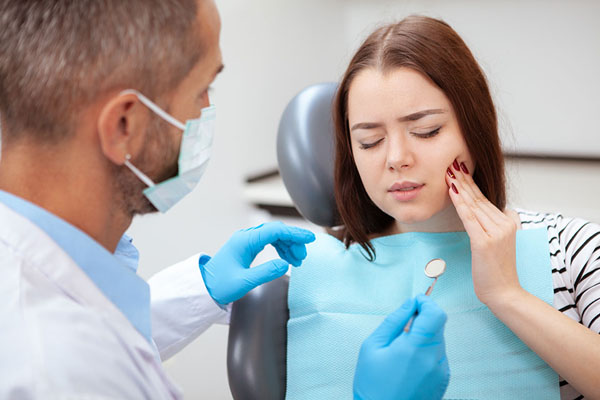
Emergency Dental Treatment and Restorative Care at Trail Ridge Dental
Emergencies are unsettling, but knowing you have a reliable, skilled dental team ready to assist you provides invaluable peace of mind. At Trail Ridge Dental, our doctors and staff are not just focused on fixing the immediate problem; they’re focused on the long-term health of your entire smile. Dr. Sean Visger and the rest of our providers are deeply committed to the Johnstown and Longmont communities, often offering extended hours specifically to accommodate urgent needs and ensure that patients never have to endure a night of unnecessary pain. From providing expert triage over the phone to executing complex, saving procedures, our goal is to restore your comfort and function with compassion and precision. We are proud to be the trusted providers of comprehensive, urgent dental care for our neighbors.
Whether you’re dealing with a sudden accident or a relentless toothache, remember that prompt action saves teeth. We are here to serve as the top dentists in Johnstown and Longmont. Don’t delay—call our Johnstown dental office at 970-593-1010 or our Longmont dentist’s office at 303-772-6960 right away for rapid relief and expert care.