
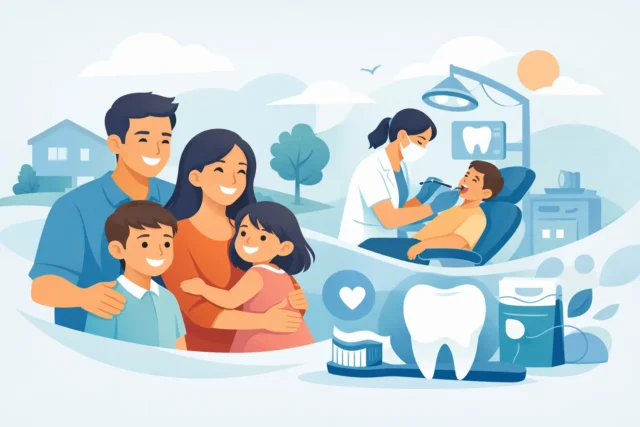
A busy family calendar can make dental care feel harder than it should. One child needs a cleaning, a parent has a chipped tooth, and someone else has been putting off jaw pain for months. Comprehensive family dental care brings those needs together, so your household can get consistent treatment in one place without piecing care together across multiple offices.
That matters for more than convenience. When a dental team knows your family over time, small changes are easier to catch, treatment plans make more sense, and visits tend to feel less stressful for both kids and adults. Instead of starting over at every stage of life, you build a dental home that grows with you.
What comprehensive family dental care really means
Comprehensive family dental care is not just about offering cleanings for all ages. It means a practice can support the full picture of oral health, from routine prevention and pediatric visits to more advanced restorative, cosmetic, periodontal, and urgent treatment when life changes suddenly.
For many families, that includes regular exams, digital X-rays, sealants, fillings, and gum care. For others, it may also include crowns, bridges, dentures, implants, root canals, extractions, orthodontic options, veneers, whitening, or TMJ treatment. The value is not simply having a long menu of services. It is having care that connects.
If a child develops alignment concerns, an adult loses a crown, or a grandparent needs a replacement option for missing teeth, the next step does not have to be confusing. A comprehensive office can often guide treatment from diagnosis through follow-up, which helps families avoid delays and mixed messages.
Why families benefit from one dental home
For parents, one trusted office can remove a surprising amount of friction. Scheduling becomes easier when multiple family members can be seen in the same practice. Records stay in one place. Recommendations feel more coordinated. You also spend less time researching specialists for common issues that could have been handled under one roof.
There is also a relationship side to this that matters. Children often do better when dental visits feel familiar, and adults who have had difficult experiences in the past are more likely to return when they know the team and know what to expect. That consistency can be the difference between staying on top of preventive care and waiting until something hurts.
A true family practice also sees patterns over time. If several members of the same household are dealing with grinding, dry mouth, frequent cavities, or gum inflammation, a dentist can help identify practical habits or health factors that may be contributing. Good care is personal, but it also benefits from context.
Comprehensive family dental care at every age
Oral health needs do not stay the same for long. A toddler may need gentle introductions and preventive guidance, while a school-age child may benefit from sealants and monitoring as adult teeth come in. Teenagers often need support around orthodontic concerns, sports protection, or wisdom tooth evaluations.
Adults usually juggle maintenance with repair. Fillings wear down, crowns become necessary, and cosmetic goals may start to matter more. Some patients are also managing stress-related clenching, TMJ symptoms, or gum issues that have built up quietly over time.
Older adults may face a different set of decisions around tooth loss, dentures, implants, dry mouth, medication effects, or periodontal care. A comprehensive practice can help patients move through those changes without the feeling that they have aged out of routine, personalized dentistry.
That broad age range is why comprehensive care is so useful for households in Johnstown, Longmont, and nearby Northern Colorado communities. Families rarely need just one kind of dentistry forever. Needs shift, and your dental office should be able to shift with them.
Prevention is still the foundation
When people hear the word comprehensive, they sometimes think only of advanced treatment. In reality, the strongest family care model begins with prevention. Regular exams and cleanings do more than keep teeth looking good. They help catch cavities early, track bite changes, monitor gum health, and spot signs of issues before they become bigger and more expensive.
Preventive visits are also where patients get practical guidance that fits real life. That may mean helping a child improve brushing, talking with a teen about sugary drinks and aligner care, or helping an adult understand why sensitivity has suddenly become a problem. The best advice is specific, not generic.
There is a financial side to prevention too. Families often save money over time when small concerns are treated early instead of turning into root canals, extractions, or tooth replacement. Prevention does not eliminate every future problem, but it usually gives you more choices and less urgency.
When restorative and urgent care matter
Even with excellent habits, dentistry cannot always stay simple. Teeth crack. Fillings fail. Infections happen. Sports injuries and sudden pain do not wait for a convenient week.
This is where comprehensive family dental care becomes especially valuable. If your regular office can also provide crowns, root canals, extractions, dentures, implants, or emergency care, treatment often feels faster and more manageable. You are not spending precious time trying to figure out where to go next while also dealing with pain.
There are trade-offs, of course. Some highly specialized cases may still need referral, and that can be the right call. Comprehensive care does not mean every treatment should happen in the same building no matter what. It means your dental team can handle a wide range of needs thoughtfully and help coordinate the rest when necessary.
For most families, that balance is reassuring. You want an office that can do a lot, but you also want one that knows when a different level of specialty care is best.
Cosmetic care is part of family dentistry too
A healthy smile and a confident smile often overlap, but they are not exactly the same. Many adults want whitening, veneers, or straighter teeth because appearance affects how they feel at work, in photos, and in daily life. Teens may also be interested in orthodontic options that feel more comfortable or discreet.
Cosmetic treatment makes the most sense when it is built on a healthy foundation. A comprehensive practice can look at both function and appearance before recommending next steps. That matters because whitening may not be ideal if untreated decay is present, and veneers may not be the first answer if alignment or grinding issues are driving the concern.
Good cosmetic dentistry should feel personalized, not pressured. Some patients want a dramatic change. Others simply want to refresh a smile that no longer matches how they feel. Both are valid, and both deserve honest guidance.
Comfort, convenience, and affordability are part of good care
Families do not choose a dental office based on services alone. They also need care to be accessible. That means appointments that fit into real schedules, a team that communicates clearly, and an environment that helps anxious patients feel at ease.
Modern technology can make a real difference here. Same-day crown options, for example, may reduce the number of visits needed for restorative treatment. Digital imaging can improve diagnosis while making records easier to track over time. Those details may sound small, but they add up for busy households.
Cost matters too, especially for uninsured patients or families planning treatment for multiple people. Transparent pricing, promotional offers, and membership options can make ongoing care more realistic. Affordability should not come at the expense of quality, but quality care also has to be within reach if it is going to support a community over the long term.
That is one reason practices like Trail Ridge Dental tend to stand out. Families are not just looking for technical skill. They are looking for a place that combines skill with warmth, practical solutions, and a genuine sense of partnership.
How to choose the right comprehensive family dental care
If you are comparing practices, look beyond whether they see both children and adults. Ask whether the office provides the mix of preventive, restorative, cosmetic, periodontal, and urgent services your household may actually need. Think about convenience as well – location, scheduling, emergency availability, and whether treatment can be coordinated without unnecessary back-and-forth.
Pay attention to how the team communicates. A good family dental office explains options clearly, respects different comfort levels, and avoids making patients feel rushed or judged. That is especially important if someone in your household has dental anxiety, a history of complex treatment, or concerns about cost.
The right fit should feel steady and welcoming, not transactional. You want a practice that can help with today’s cleaning, next month’s filling, and next year’s bigger decisions without making every step harder than it needs to be.
The best family dental care supports your life the way a good neighborhood practice should – with skill, consistency, and a team that is ready for the everyday visits as well as the unexpected ones.