
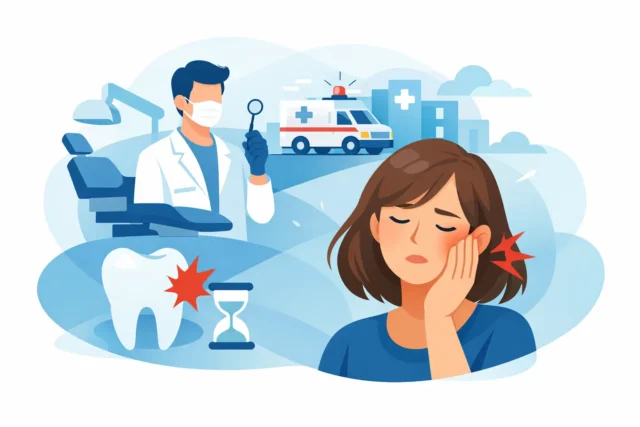
A toothache has a way of taking over everything. Eating, sleeping, working, even trying to have a normal conversation can become difficult when the pain keeps pulsing or suddenly spikes. If you are looking for an emergency dentist for tooth pain, the first thing to know is this: not every toothache is a true emergency, but some absolutely should be seen the same day.
Pain is your body’s warning signal. In dentistry, it can point to anything from mild irritation to an infection that will not improve on its own. Knowing the difference can help you get the right care quickly and avoid a much bigger problem later.
When an emergency dentist for tooth pain is the right call
Some tooth pain can wait a day or two for a routine appointment. Other situations need prompt attention because the cause may be progressing fast. If your pain is severe, constant, or getting worse, it is worth calling for urgent care.
Same-day dental care is especially important if the tooth pain comes with swelling, fever, a bad taste in your mouth, pus near the gums, or pain when you bite down. Those symptoms can suggest infection or damage inside the tooth. A cracked tooth, broken filling, or recent injury can also trigger pain that should be checked quickly.
Pain that wakes you up at night is another sign to take seriously. Many patients try to wait it out, hoping it will settle down. Sometimes it does briefly, but that does not mean the problem is gone. In fact, pain that comes and goes can still signal decay, nerve irritation, or an abscess developing under the surface.
What tooth pain can mean
Tooth pain is a symptom, not a diagnosis. The exact cause matters because treatment depends on what is happening inside the tooth and surrounding tissues.
A cavity is one common reason. Early decay may cause sensitivity to sweets, cold drinks, or hot foods. As the decay gets deeper, the pain can become sharper, more frequent, and harder to ignore.
An infected tooth is another major cause. When bacteria reach the inner pulp, the nerve and blood supply inside the tooth become inflamed or infected. That often leads to throbbing pain, pressure, and lingering sensitivity. In many cases, a root canal is the best way to remove the infection and save the tooth.
Cracks can be harder to spot but just as painful. A small crack may cause pain only when chewing or releasing your bite. A larger crack can expose sensitive inner layers of the tooth and create a pathway for bacteria.
Gum issues can also be part of the picture. Swelling around one tooth, tenderness, or pain near the gumline may be related to periodontal infection, food trapped under the gums, or an abscess.
Then there are situations that feel like tooth pain but are not limited to the tooth itself. Teeth grinding, TMJ problems, and sinus pressure can all create discomfort in the upper or lower jaw. That is one reason an exam matters. Accurate diagnosis is what gets you to actual relief.
Signs your tooth pain should not wait
It helps to think about severity, duration, and associated symptoms. If your pain is mild and tied only to brief sensitivity, you may be able to schedule a regular appointment soon. If it is intense, persistent, or accompanied by visible changes, urgent care is the safer choice.
Call an emergency dentist right away if you have swelling in the face or gums, a fever, trouble swallowing, pain after a dental injury, bleeding that does not stop, or a tooth that feels loose after trauma. These situations can move beyond discomfort and become a health risk.
You should also seek prompt care if over-the-counter pain medicine is barely helping. Pain that keeps breaking through medication often means the underlying issue is advanced enough to need treatment, not just temporary management.
What to do before you can be seen
There are a few simple steps that may help reduce discomfort while you wait for your appointment. Rinse gently with warm salt water to help clean the area and calm irritated tissues. If swelling is present, hold a cold compress on the outside of your cheek in short intervals.
Over-the-counter pain relievers can help many adults, as long as they are taken exactly as directed and are appropriate for your health history. Avoid placing aspirin directly on the gums or tooth. That can irritate the tissue and make things worse.
Try to stick with soft foods and avoid chewing on the painful side. Very hot, very cold, sugary, or hard foods may trigger stronger pain. If a tooth is cracked or a filling has come out, keeping the area clean and avoiding pressure can help until the dentist evaluates it.
What you should not do is ignore swelling, rely on home remedies for several days, or start antibiotics left over from another illness. Tooth infections need the right diagnosis and treatment plan. Medication alone is not always enough, and the wrong delay can allow the infection to spread.
What an emergency visit usually looks like
One concern many patients have is that an urgent dental visit will feel rushed or overwhelming. In reality, the goal is straightforward: find the source of the pain, get you comfortable, and recommend the most effective next step.
At your visit, the dental team will review your symptoms, examine the tooth and surrounding tissues, and often take digital X-rays. That helps show whether the problem is decay, infection, a crack, a damaged restoration, gum involvement, or something else.
From there, treatment depends on the cause. If the tooth has a deep infection but can be saved, a root canal may be recommended. If a cavity or broken area is causing pain and the tooth is still structurally sound, a filling or crown may be the better solution. If the tooth is too damaged to restore, an extraction may be the healthiest next step.
Sometimes the first priority is calming the infection and pain, with definitive treatment scheduled right away or completed once the area is stable. It depends on the diagnosis, the level of swelling, and how much of the tooth remains healthy.
Emergency dentist for tooth pain in families
Tooth pain can be especially stressful when it happens to a child. Kids may struggle to explain what they are feeling, and pain can escalate quickly once a cavity or infection reaches the nerve. If your child has facial swelling, crying with chewing, trouble sleeping from tooth pain, or sensitivity that does not go away, it is worth calling promptly.
Adults often wait too long too, especially parents who are balancing work, school schedules, and other responsibilities. But putting off care can mean a smaller problem turns into a more expensive or invasive one. The earlier a painful tooth is checked, the more treatment options there usually are.
That is one reason families often prefer a dental home that can handle preventive care, restorative treatment, and urgent visits in one place. Practices like Trail Ridge Dental are built around that kind of continuity, which can make stressful situations feel much more manageable.
Cost concerns are real, but waiting can cost more
Many patients hesitate to call because they are worried about the bill. That concern is understandable. At the same time, untreated tooth pain rarely stays the same. A small cavity may need a filling today, but if it reaches the nerve, treatment could shift to a root canal and crown or even an extraction.
The best emergency dental care does not pressure patients. It explains what is happening, what needs immediate attention, and what options are available. Transparent conversations about treatment and cost matter, especially for uninsured patients or anyone trying to plan carefully for their household budget.
If you are unsure whether your pain counts as urgent, it is still worth calling. A good dental team can help you describe the symptoms, judge the level of urgency, and guide you toward the right appointment timing.
Relief starts with the right diagnosis
Tooth pain has a lot of causes, and they do not all feel dramatic at first. A dull ache can turn into sharp pain. Mild sensitivity can become a sleepless night. The earlier you act, the better the chances of stopping the problem before it spreads or damages more of the tooth.
If something feels off, trust that instinct. You do not need to wait until the pain becomes unbearable to seek help. Getting checked by a dependable local dentist can bring clarity, relief, and a path forward that protects both your comfort and your long-term oral health.
A painful tooth can make the whole day feel smaller. The right care helps you get your footing back – and sometimes, that starts with making the call sooner than you think.