
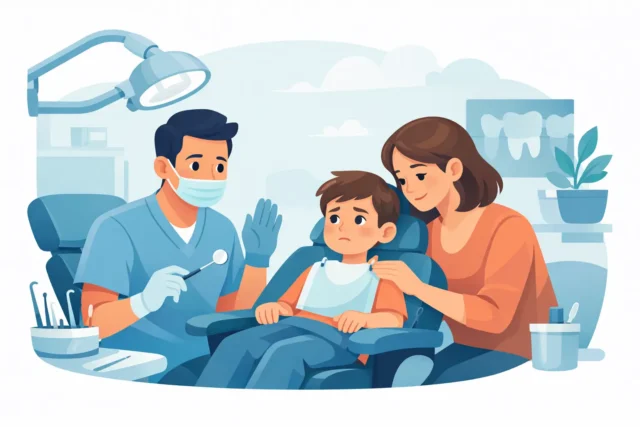
That feeling often starts before you even sit in the chair. For some people, it shows up as a racing heart in the parking lot. For others, it is the memory of a painful visit years ago, or the stress of not knowing what a dentist will find. If you are searching for a family dentist for anxious patients, you are not overreacting. Dental anxiety is real, and it can affect both children and adults in the same household.
The good news is that anxiety does not mean you have to avoid care. In many cases, the right dental home makes all the difference. A family practice that understands fear, communicates clearly, and treats people with patience can turn dental visits from something you dread into something manageable.
What makes a family dentist a good fit for anxious patients?
Not every dental office approaches comfort in the same way. Some are efficient but rushed. Others may offer excellent clinical care but miss the human side of treatment. For anxious patients, both matter.
A strong family dental practice usually starts with communication. You should feel like you can say, “I am nervous,” without embarrassment. That may sound simple, but it sets the tone for everything that follows. When a team listens first, explains what they see, and gives you options, anxiety tends to ease because the unknown starts to disappear.
It also helps when the office can care for different needs under one roof. Families are busy, and having one trusted practice for cleanings, fillings, crowns, emergencies, and more reduces the stress of being referred all over town. Familiar faces and a consistent environment can be especially helpful for kids, parents, and adults who need extra reassurance.
Why dental anxiety is so common
People develop dental anxiety for different reasons, and not all of them come from bad experiences. Some patients are sensitive to sounds, smells, or the feeling of losing control. Some worry about cost. Others have gone a long time without care and feel embarrassed about what the dentist might say.
For children, anxiety may come from simply not knowing what to expect. They watch adults closely, so if a parent feels tense, kids often pick up on that right away. Teens and adults may hide their anxiety better, but that does not mean it is less intense.
This is where a family-centered practice can help. When the team is used to caring for patients at every age, they tend to be better at adjusting their approach. A child may need a gentle introduction and simple language. An adult may want a clear treatment plan, cost transparency, and more control over pacing. Good care is not one-size-fits-all.
How a family dentist for anxious patients builds trust
Trust is not built with one comforting phrase at the front desk. It comes from a series of small moments that tell you this office is paying attention.
A calm first visit matters. That means being greeted kindly, having time to ask questions, and getting explanations in plain English. It means the dentist does not rush through your concerns or talk over you. If X-rays or an exam are needed, you should know why. If treatment is recommended, you should understand what happens next, what it may cost, and whether it needs to be done right away.
For anxious patients, control is a big part of comfort. Many people feel better when they know they can ask for breaks, signal if they need a pause, or tackle treatment in stages. A dependable family dentist respects that. There are times when same-day treatment is convenient and helpful, but there are also times when slowing down is the better choice. It depends on the patient, the procedure, and how urgent the problem is.
Comfort goes beyond the dental chair
When people think about dental anxiety, they usually focus on the procedure itself. In reality, stress often starts much earlier.
Scheduling can be a pressure point, especially for families balancing school, work, and multiple appointments. Insurance questions or concerns about out-of-pocket costs can add another layer of worry. If a practice offers clear financial information, practical options for uninsured patients, and a straightforward process for getting started, that lowers the temperature before treatment even begins.
Convenience matters, too. Patients are more likely to keep appointments when care fits real life. Multiple locations, broad services, and the ability to address both routine and more advanced needs in one practice can make a big difference for busy Northern Colorado families. It is one less thing to figure out when you are already feeling uneasy.
What anxious adults should look for
Adults often postpone dental care for years because they are trying to avoid discomfort, judgment, or surprise costs. The problem is that waiting usually makes treatment more complicated. A small cavity may turn into a larger restoration. Gum irritation may become more serious. What started as fear of a simple visit can turn into fear of a bigger one.
That is why the best next step is not perfection. It is just getting back in the door with a team that meets you where you are.
A supportive dentist will focus on your current needs, not shame you for the gap in care. They will explain what is urgent, what can wait, and what options you have. That kind of honest, pressure-free guidance matters. Some patients want to handle one issue at a time. Others prefer a full plan so they can see the road ahead. Neither approach is wrong.
If you know you are nervous, say so early. It gives the team a chance to tailor the visit, keep communication extra clear, and help you feel more settled from the start.
Helping children feel safe at the dentist
Children do best when dental visits feel familiar and predictable. That starts with language. A warm family practice knows how to explain care in a way that is simple without being dismissive. Kids need to feel included, not managed.
Parents play a major role here. If possible, avoid framing the visit as something scary that they just have to “be brave” for. Instead, treat it as a normal part of staying healthy. A child who grows up seeing the same office for routine checkups, preventive care, and the occasional unexpected need is more likely to build comfort over time.
There is also real value in siblings and parents being able to visit the same practice. Familiarity helps. When children see that dental care is part of family life, not a special event to fear, they often settle in more easily.
Technology helps, but it is not the whole answer
Modern dentistry can make care faster, more precise, and more comfortable. That is a real advantage for anxious patients. Digital imaging, efficient treatment planning, and same-day restorative options in some cases can reduce the number of visits and shorten the time spent worrying.
Still, technology alone does not create a calming experience. A patient can sit in the most advanced office in town and still feel tense if they do not feel heard. The right combination is modern care with a genuinely compassionate team. Clinical quality and bedside manner should work together.
That balance is part of what families appreciate in a relationship-driven practice like Trail Ridge Dental. People want confidence in the dentistry itself, but they also want to feel known.
Choosing the right dental home in Northern Colorado
If you are comparing offices in Johnstown, Longmont, Loveland, or nearby communities, look past the surface. A polished website is helpful, but it does not tell you how an office responds when someone says they are scared.
Look for signs of a practice that values long-term relationships, not just quick transactions. Can they care for kids and adults? Do they offer preventive, restorative, and urgent care so you are not starting over somewhere else when needs change? Do they communicate clearly about treatment and affordability? Do they make comfort part of the experience, not an afterthought?
The right fit may not be the office with the flashiest marketing. It is usually the one where you feel respected, informed, and a little less tense each time you visit.
If dental anxiety has been keeping you or someone in your family away, start smaller than you think you need to. A conversation, an exam, or a simple cleaning can be enough to rebuild trust. Once that trust is there, the next step tends to feel a lot more possible.