
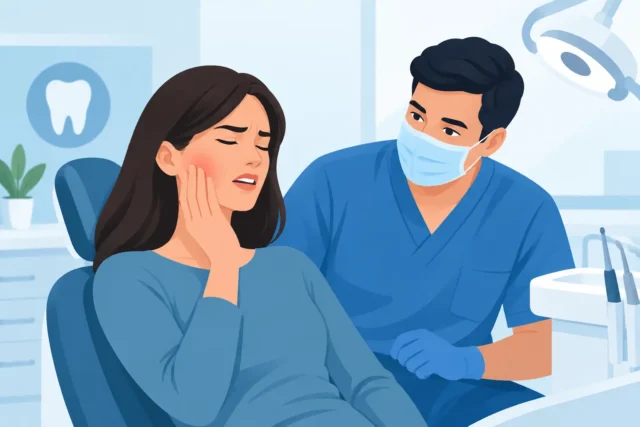
A cracked tooth during dinner, a child’s sports injury, or severe pain that keeps you awake can turn an ordinary day upside down. When you need Lyons emergency dental care, knowing what to do in the first few minutes can ease discomfort, protect your tooth, and help you get the right treatment without unnecessary worry.
Dental emergencies are rarely convenient, but they do not have to be handled alone. A prompt call to a dental office can help you understand whether you need same-day care, how to manage symptoms safely at home, and what to bring to your appointment. The goal is not simply to stop pain. It is to protect your oral health and preserve as much of your natural tooth as possible.
What Counts as a Dental Emergency?
Not every dental concern requires an immediate visit, but some symptoms should not wait for a routine appointment. Severe or persistent tooth pain, facial swelling, a knocked-out tooth, uncontrolled bleeding, or a broken tooth with sharp edges are all reasons to contact a dentist right away.
A toothache that comes and goes may still signal decay, a crack, gum infection, or an issue with an older filling or crown. If the pain is intense, worsens when you bite, makes it hard to sleep, or comes with swelling or fever, it needs timely professional attention. Dental infections can progress quickly, particularly when swelling spreads into the jaw, cheek, or neck.
A lost filling, crown, bridge, or denture is not always an emergency in the same sense as a knocked-out tooth. Still, it is worth calling soon. The exposed tooth may be sensitive and more vulnerable to damage, and a loose restoration can create a choking risk or change the way you bite.
Signs You Should Seek Immediate Medical Help
Some situations call for emergency medical care rather than waiting for a dental appointment. Go to an emergency room or call 911 for trouble breathing or swallowing, significant facial trauma, bleeding that will not stop, or swelling that is rapidly increasing. A dentist can treat the source of many oral problems, but airway concerns and major injuries need urgent medical evaluation first.
What to Do Before Your Emergency Dental Visit
The steps you take at home matter, especially after an injury. Keep the area clean, avoid chewing on the affected side, and contact a dental team for guidance as soon as possible. Do not place aspirin directly on gums or a painful tooth. It can burn soft tissue and will not treat the cause of the pain.
For a broken or cracked tooth, rinse gently with warm water. If you can find the broken piece, place it in a clean container and bring it with you. A cold compress on the outside of the cheek may help limit swelling. Avoid hard, sticky, very hot, or very cold foods until the tooth has been evaluated.
If a permanent tooth is knocked out, time is especially important. Hold the tooth by the crown, which is the visible chewing portion, not the root. Gently rinse off visible dirt with milk or water without scrubbing. If possible, carefully place the tooth back into its socket and have the patient bite gently on clean gauze. If that is not possible, keep the tooth moist in milk or inside the cheek if the person is old enough to do so safely. See a dentist immediately.
For a tooth that has been pushed out of position or feels loose after a fall or impact, do not try to force it back into place. Call for an evaluation. Even when a tooth looks intact, the supporting tissues or tooth nerve may have been injured.
Lyons Emergency Dental Care for Pain and Swelling
Pain is your body’s way of asking for attention, but its intensity does not always reveal the exact problem. A small crack can cause sharp pain when chewing. A deep cavity may cause a lingering ache with hot or cold foods. An abscessed tooth can create throbbing pain, swelling, a bad taste, or tenderness around the gums.
Over-the-counter pain medication may offer temporary relief when used as directed on the label and when it is safe for you personally. However, pain medicine does not eliminate an infection or repair a damaged tooth. Antibiotics, when clinically appropriate, may help manage an infection, but they are not a substitute for treating the affected tooth. Depending on the diagnosis, lasting care may involve a filling, crown, root canal, drainage of an infection, or extraction.
A dentist will assess the tooth, gums, bite, and surrounding bone, often with X-rays when needed. This allows the care team to focus on the actual cause instead of guessing based on symptoms alone. For anxious patients, understanding the plan before treatment begins can make an emergency visit feel far more manageable.
Common Emergencies and How They Are Treated
Emergency dentistry is not one treatment. It is a careful response to the condition in front of you. A chipped front tooth may be smoothed, bonded, or restored with a veneer or crown depending on the amount of damage. A deeper fracture may need more extensive treatment to protect the tooth from further breakage.
When decay or injury reaches the inner pulp of a tooth, a root canal may be recommended. Despite its reputation, modern root canal treatment is designed to relieve pain by removing inflamed or infected tissue. The tooth is then sealed and often protected with a crown, particularly when it is a back tooth that handles heavy chewing forces.
If a tooth cannot be restored predictably, extraction may be the healthiest choice. That can feel discouraging, but it also opens the conversation about replacement options, such as a bridge, denture, or dental implant. The right option depends on your oral health, bone support, budget, timeline, and long-term goals.
Lost crowns and fillings can sometimes be re-cemented or repaired, but only after the tooth underneath is checked. Do not use household glue to put a crown back in place. It can damage the restoration and make professional treatment more difficult.
How to Make an Emergency Visit Less Stressful
Bring a list of medications, allergies, and relevant medical conditions if you can. Let the dental team know whether you are pregnant, take blood thinners, have a history of heart conditions, or have had recent surgery. These details help your provider plan safe care.
If your child has a dental injury, stay calm and offer simple reassurance. Children often take their emotional cue from the adults around them. Bring the tooth fragment or knocked-out tooth if possible, and share when the injury occurred, whether there was loss of consciousness, and whether the child has any headache, nausea, or other signs of a broader injury.
Cost is also a common concern during an unexpected visit. Ask what the initial exam, necessary X-rays, and recommended treatment involve before moving forward. If you do not have dental insurance, ask about available payment options or a membership plan. Clear information makes it easier to make decisions without added pressure.
Emergency Care Is Also an Opportunity to Prevent the Next One
Once the immediate issue is resolved, follow-up care matters. A repaired tooth may need a final restoration. An infection may need monitoring. A chipped tooth caused by nighttime grinding may point to the need for a custom nightguard, while recurring broken fillings could mean your bite needs attention.
Routine preventive visits also reduce the chance that small issues become painful surprises. Early cavities, worn restorations, gum inflammation, and cracks are often easier to treat before they become emergencies. For families, mouthguards for contact sports and consistent brushing, flossing, and checkups can prevent many urgent situations.
At Trail Ridge Dental, patients can receive compassionate care for urgent concerns while building a longer-term relationship with a dental team that understands their history and goals. When something feels wrong, trust your instincts, protect the area, and reach out promptly. Getting care early can often mean a simpler treatment, a more comfortable recovery, and a better chance of saving your smile.