
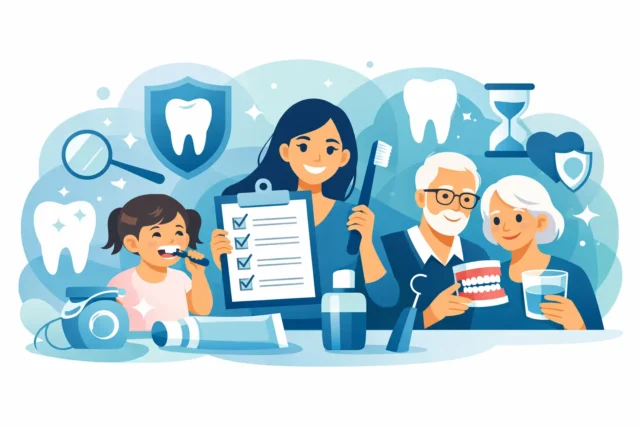
A preventive dental care checklist is not about chasing a perfect smile. It is about making small, repeatable choices that lower the chances of painful problems, costly treatment, and missed school or work. For busy Northern Colorado families, a few minutes of care each day and consistent dental visits can make a meaningful difference over time.
Preventive care also looks different from person to person. A child learning to brush needs hands-on help. An adult with dry mouth, a history of cavities, braces, gum concerns, or several dental restorations may need more frequent attention. The goal is not a one-size-fits-all routine. It is a plan that keeps your teeth and gums healthy for the long run.
Your Daily Preventive Dental Care Checklist
The foundation of oral health happens at home. Professional cleanings and exams are essential, but they cannot remove plaque that builds up day after day between visits.
Use this checklist as a practical starting point:
- Brush twice daily for two minutes with a soft-bristled toothbrush and fluoride toothpaste. Angle the bristles gently toward the gumline, where plaque often collects.
- Clean between teeth once a day with floss, floss picks, an interdental brush, or a water flosser. The best option is the one you can use consistently and correctly.
- Brush your tongue or use a tongue cleaner. This can reduce odor-causing bacteria and help your mouth feel fresher.
- Drink water regularly, especially after meals, snacks, coffee, sports drinks, or acidic beverages. Water helps rinse away food particles and supports healthy saliva flow.
- Limit frequent sugary or acidic snacks and drinks. How often your teeth are exposed matters as much as the amount you consume.
- Wear a properly fitted mouthguard for contact sports and activities with a risk of falls or facial impact.
Brushing harder is not better. Aggressive brushing can irritate gums and wear down enamel near the gumline. Gentle pressure, a soft brush, and the right technique are more protective. Electric toothbrushes can be especially helpful for children, people with limited hand mobility, or anyone who tends to rush through brushing, but a manual brush can work well when used thoroughly.
Make Fluoride Part of the Plan
Fluoride strengthens enamel and helps teeth recover from early acid damage before a cavity forms. For most people, fluoride toothpaste is a simple and effective part of daily prevention. After brushing, spit out the excess toothpaste rather than rinsing immediately with water so a small amount of fluoride can remain on the teeth.
Children should use an age-appropriate amount of toothpaste and be supervised until they can reliably spit it out. For patients with frequent cavities, exposed roots, dry mouth, or certain medical conditions, a dental professional may recommend additional fluoride treatment or a prescription-strength product.
Keep Regular Exams and Cleanings
A healthy mouth can still have problems that are easy to miss at home. Cavities may not hurt in their early stages. Gum disease can begin with mild bleeding or tenderness and progress quietly. Routine exams and cleanings give your dental team a chance to remove hardened tartar, check your gums, review changes in your bite, and find concerns while treatment is usually simpler.
Many patients benefit from a checkup and cleaning every six months. That schedule is common, but it is not a rule for every person. Someone with active gum disease, diabetes, dry mouth, a high cavity risk, or extensive dental work may need visits more often. A patient with stable oral health may have a different recommendation. Your care plan should reflect your actual needs, not a calendar alone.
Dental X-rays are another part of prevention when clinically appropriate. They can show decay between teeth, bone changes around the roots, and concerns below the surface that are not visible during a visual exam. They are not necessarily needed at every appointment, and your dentist can explain when they are recommended and why.
Watch for Changes Between Appointments
Pain is never the only sign that something needs attention. Call your dental office if you notice bleeding gums that do not improve, persistent bad breath, tooth sensitivity, a chipped tooth, swelling, a loose restoration, a sore that lasts longer than two weeks, or changes in how your teeth fit together.
A sudden toothache, facial swelling, fever, a broken tooth with pain, or a tooth that has been knocked loose deserves prompt care. Waiting may turn a manageable issue into a more complex one. If swelling affects breathing or swallowing, seek emergency medical help immediately.
It can be tempting to wait until a problem becomes severe, especially if dental visits cause anxiety or cost is a concern. Yet preventive visits are often the least stressful place to start. They allow your dental team to listen to your concerns, explain options clearly, and address small findings before they become urgent.
Protect Teeth From Everyday Wear
Cavities are only one part of preventive dentistry. Teeth can also chip, crack, shift, and wear down from grinding or clenching. If you wake with jaw soreness, frequent headaches, tight facial muscles, or teeth that seem to be getting shorter or flatter, mention it at your next visit. A custom nightguard may help protect your teeth if grinding is the cause.
Do not use teeth as tools to open packages, cut thread, or crack ice. These habits create unnecessary pressure and can damage natural teeth, fillings, crowns, and veneers. If you enjoy crunchy foods, there is no need to avoid them altogether, but chewing ice is particularly hard on enamel and restorations.
If you have braces, aligners, implants, dentures, crowns, bridges, or a history of gum disease, prevention remains just as important, with a few adjustments. Orthodontic appliances require careful cleaning around brackets and wires. Implants and bridges need daily cleaning around their edges. Dentures should be cleaned daily and removed overnight unless your dentist gives different instructions. Your dental team can demonstrate the tools and techniques that fit your smile.
Help Children Build Habits That Last
Children benefit when dental care feels routine rather than like a punishment. Start cleaning an infant’s gums with a soft, clean cloth, then begin brushing as soon as the first tooth appears. Schedule a first dental visit by age one or within six months of the first tooth erupting, whichever comes first.
Young children usually need an adult to brush for them, or at least finish the job, well beyond the age when they want independence. Encourage them to choose a toothbrush color, play a two-minute song, and practice brushing in the same order each time. Those small routines build confidence without turning the bathroom into a daily battle.
For school-age children and teens, talk openly about sports guards, sugary drinks, vaping, and oral piercings. Energy drinks and frequent sipping of sweetened beverages can be especially tough on enamel. A reusable water bottle is a simple habit with benefits for both teeth and overall health.
Make Prevention Affordable and Consistent
A missed appointment can become a missed pattern, particularly when every family member has a different schedule. Booking the next cleaning before leaving the office, keeping reminders on a shared calendar, and choosing appointment times that work around school or work can help care stay on track.
For patients without dental insurance, ask about membership options and payment information before you need treatment. Clear expectations make it easier to plan for routine visits rather than postponing care. At Trail Ridge Dental, our practice family can receive preventive and comprehensive care in a welcoming setting, with options designed to make ongoing care feel more manageable.
Your checklist does not need to be complicated. Brush thoroughly, clean between teeth, choose water often, protect your smile during sports, and keep the appointments that help small concerns stay small. A comfortable, healthy smile is built one ordinary day at a time.