
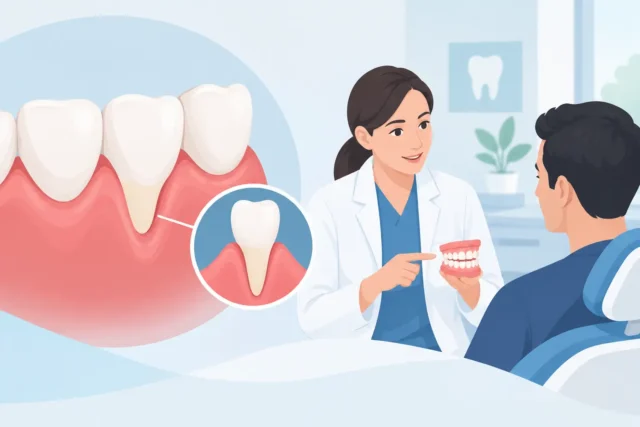
A tooth that suddenly looks longer is not always a cosmetic concern. It can be a sign that gum tissue has pulled away from the tooth, exposing an area that was once protected. Understanding receding gums causes can help you act early, before sensitivity, decay, or tooth-support problems become more difficult to manage.
Gum recession is common, and it is not something to feel embarrassed about. It can affect one tooth or several, progress slowly over years, or become noticeable after an injury or change in your oral health routine. The right solution depends on why it is happening, which is why a dental exam is more useful than trying to diagnose the problem from a mirror alone.
What Gum Recession Actually Means
Healthy gums form a snug seal around each tooth. When recession occurs, the gumline moves down on the lower teeth or up on the upper teeth, leaving more of the tooth root exposed. Roots do not have the same protective enamel layer as the visible crown of a tooth. As a result, they are more vulnerable to sensitivity, wear, and cavities.
Recession does not always hurt. Some patients first notice a notch near the gumline, a change in their smile, or teeth that appear uneven in length. Others notice a sharp response to cold drinks, sweets, brushing, or even cool Colorado air.
The Most Common Receding Gums Causes
Gum disease
Gum disease is one of the leading causes of gum recession in adults. It begins when plaque, a sticky film of bacteria, remains around the gumline. If it hardens into tartar, brushing alone cannot remove it. The bacteria can trigger inflammation and infection that gradually damage the gum tissue and bone supporting the teeth.
Early gum disease may cause red, puffy gums or bleeding when you brush and floss. More advanced periodontal disease can lead to persistent bad breath, gum recession, loose teeth, and changes in how your bite feels. Because it can progress with little discomfort, regular checkups and cleanings matter even when your teeth feel fine.
Brushing too hard or using the wrong technique
A thorough home routine is essential, but more force is not better. Aggressive horizontal scrubbing, stiff bristles, or a heavy hand with an electric toothbrush can irritate the gums and wear away tooth structure near the gumline.
A soft-bristled toothbrush and gentle, angled strokes are usually the better approach. If your toothbrush bristles flatten quickly, you may be brushing with more pressure than needed. A dental professional can demonstrate a technique that removes plaque without traumatizing the gums.
Thin gum tissue and genetics
Some people naturally have thinner gum tissue or bone around certain teeth. This is especially common near lower front teeth and upper canine teeth. Thin tissue is not a sign that someone has neglected their smile. It simply means the gums may be more susceptible to recession from normal brushing, orthodontic movement, inflammation, or bite pressure.
This is one reason two people can follow similar routines and have different gum health outcomes. Family history, tooth position, and the natural shape of your jaw all play a role.
Teeth grinding and bite pressure
Clenching or grinding your teeth can put excessive force on the teeth and their supporting tissues. Many people grind at night without realizing it. Morning jaw soreness, headaches, worn or chipped teeth, and a partner noticing grinding sounds can all be clues.
Grinding does not always cause recession by itself, but it can make vulnerable gums and teeth more likely to develop problems. An uneven bite, crowded teeth, or a tooth that receives too much force may also contribute. A custom night guard or bite evaluation may be recommended when pressure is a concern.
Tobacco use and oral irritation
Smoking, vaping, and smokeless tobacco can irritate gum tissue and raise the risk of gum disease. Tobacco also affects blood flow and healing, which can make gum problems harder to spot and more difficult to treat. In some cases, gums may not bleed as much as expected despite active disease.
Other sources of ongoing irritation can matter as well. A lip or tongue piercing that repeatedly rubs against the gums can cause localized recession, particularly around lower front teeth. If irritation is continuing, protecting the tissue means addressing the source, not just the symptom.
Hormonal changes, medical conditions, and dry mouth
Hormonal changes during puberty, pregnancy, and menopause can make gums more reactive to plaque. Diabetes and some immune-related conditions can also affect how the body responds to infection and inflammation. Medications that reduce saliva may increase cavity risk around exposed roots.
These factors do not guarantee gum recession, and they should not be viewed as a reason to delay care. They simply mean preventive visits and a personalized home routine may be especially valuable.
Signs You Should Schedule an Exam
A receding gumline deserves attention, especially if you also have bleeding, sensitivity, visible root surfaces, bad breath that does not improve, swelling, or teeth that feel loose. New recession around one tooth can also follow a crack, infection, or localized trauma and should be evaluated promptly.
Call sooner if you have severe pain, facial swelling, pus near the gumline, fever, or a loose tooth. These symptoms can indicate an infection or advanced periodontal concern that needs timely treatment.
How Dentists Find the Underlying Cause
A dentist does more than look at the gumline. The evaluation may include measuring the spaces between teeth and gums, checking for bleeding and inflammation, reviewing your brushing habits, examining your bite, and taking X-rays to evaluate bone support. Your dentist may also look for worn teeth, cracks, cavities near the roots, or signs of clenching.
This step matters because treatment is not one-size-fits-all. A patient with plaque-related gum disease may need periodontal treatment and more frequent maintenance. Someone with recession from brushing pressure may need technique changes and monitoring. If thin tissue or significant root exposure is present, a gum graft consultation may be appropriate.
Can Receding Gums Grow Back?
Gum tissue generally does not grow back on its own once it has receded. However, treatment can often stop or slow further recession, reduce sensitivity, protect exposed roots, and improve the appearance of the gumline. In selected cases, periodontal procedures can restore coverage over exposed root surfaces.
The best option depends on the amount and location of recession, the health of the surrounding bone, your bite, and your goals. For mild recession, consistent hygiene, a gentle brushing approach, fluoride treatments, or desensitizing products may be enough. For more advanced recession, treating gum disease, adjusting bite forces, or considering grafting may offer better long-term protection.
Everyday Steps That Protect Your Gumline
Use a soft toothbrush twice daily with fluoride toothpaste, and clean between teeth every day with floss or another tool your dental team recommends. Keep the pressure light, particularly at the gumline. If you clench or grind, do not ignore worn teeth or jaw discomfort – protecting your bite can protect your gums as well.
Routine dental visits are also a chance to catch small changes before they become a larger concern. At Trail Ridge Dental, our team can help you understand what is causing changes in your gums and create a comfortable, practical plan for your smile.
A changing gumline is your mouth asking for attention, not a reason for alarm. Scheduling an evaluation early gives you more options to protect your teeth, reduce discomfort, and keep your smile healthy for the long term.