
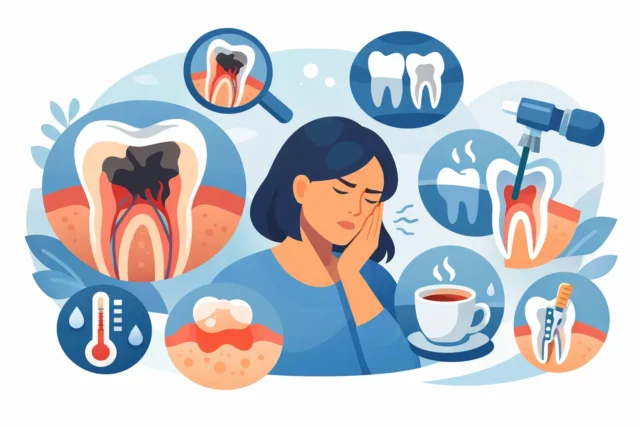
That sharp zing when you sip coffee, the throbbing tooth that keeps you up at night, or the gum swelling that seems to come out of nowhere can all point to the same issue. If you are noticing signs you need a root canal, the best next step is not to wait and hope it settles down. Tooth infections rarely improve on their own, and early treatment can often mean less pain, less stress, and a better chance of saving your natural tooth.
A root canal is designed to treat infection or inflammation inside the tooth, in the soft tissue called the pulp. When that tissue is damaged by deep decay, a crack, trauma, or repeated dental work, bacteria can move in and create a painful problem. The good news is that root canal treatment is meant to relieve pain, not cause it, and modern care is far more comfortable than many people expect.
What a root canal actually treats
Inside each tooth is a small chamber with nerves and blood vessels. When that inner tissue becomes infected or severely irritated, the tooth may start sending stronger signals than usual. Sometimes those signals are obvious. Sometimes they are surprisingly subtle.
That is why people often miss the early signs. They may assume the pain is from clenching, sinus pressure, or a temporary sensitivity. In some cases, there is no dramatic pain at all, even when the tooth is in trouble. A dentist confirms the diagnosis with an exam and X-rays, but your symptoms can offer important clues.
Common signs you need a root canal
1. Tooth pain that lingers or keeps coming back
Not every toothache means you need a root canal, but persistent pain is one of the biggest warning signs. You may feel a deep ache in one tooth, pain when chewing, or throbbing that comes and goes throughout the day. For some people, the discomfort spreads into the jaw, ear, or surrounding teeth, which can make it hard to tell exactly where the problem is.
Pain that sticks around is especially concerning when it does not improve after a day or two. If a tooth hurts every time you bite down, or if it seems to flare up without a clear reason, it is worth getting checked promptly.
2. Sensitivity to hot or cold that does not go away
Brief sensitivity after ice cream or hot coffee can happen for a lot of reasons, including worn enamel or gum recession. The difference is duration. If the sensation lingers well after the hot or cold trigger is gone, that can suggest the pulp inside the tooth is inflamed or infected.
Patients often describe this as a sharp, intense response followed by an ache that hangs on. If you notice one tooth reacting much more strongly than the others, pay attention to it.
3. Swollen or tender gums near one tooth
When a tooth infection develops, the surrounding gum tissue may become swollen, sore, or puffy. Sometimes the area looks mildly irritated. In other cases, there is a more obvious bump on the gums, similar to a pimple. That bump can release fluid or drain intermittently, which may reduce pressure for a short time without actually fixing the infection.
Gum swelling does not always mean a root canal is needed. Periodontal disease and other issues can also cause gum changes. Still, swelling around one specific tooth is a sign that deserves prompt attention.
4. Pain when you chew or touch the tooth
If biting into food suddenly feels wrong on one side of your mouth, the tooth may be inflamed deep inside. Pain with pressure can happen when infection reaches the root area or when the tissue around the tooth becomes irritated.
This symptom can overlap with a cracked tooth or a high filling, so it is not something to self-diagnose. What matters is that chewing should not hurt. If it does, your dentist can pinpoint why.
5. A tooth that looks darker than the others
A tooth that turns gray, brown, or noticeably darker can be a sign that the inner tissue has been damaged. This sometimes happens after an injury, even if the accident occurred months or years earlier. In other cases, infection affects the tooth from the inside and changes its color over time.
Not every discolored tooth needs a root canal, but a single dark tooth should never be ignored. It may be a cosmetic issue, or it may be a sign that the tooth is no longer healthy.
6. A chipped, cracked, or injured tooth with new symptoms
A visible crack or chip creates an opening for bacteria. Even if the tooth did not hurt at first, symptoms can show up later as irritation or infection develops inside the pulp. Sports injuries, falls, and biting down on something hard are all common ways teeth get damaged.
This is one of those it-depends situations. A small chip may only need smoothing or bonding. A deeper crack, especially one paired with pain or sensitivity, may require root canal treatment to save the tooth.
7. An abscess or signs of infection
An abscess is a serious dental infection, often appearing as swelling, pus, a bad taste in the mouth, or persistent bad breath that does not improve with brushing. In more advanced cases, you may also notice facial swelling, swollen lymph nodes, or fever.
These symptoms should not wait for a convenient opening in your schedule. A dental infection can worsen quickly and may spread beyond the tooth. If you suspect an abscess, seek care as soon as possible.
When the signs are less obvious
One tricky part of diagnosing root canal problems is that symptoms vary. Some patients have severe pain. Others have very little discomfort and only notice a bump on the gums or a tooth that feels different when they bite.
There are also times when pain seems to disappear, leading people to assume the problem is gone. Unfortunately, that can happen when the nerve inside the tooth has died. The infection may still be present, and the tooth still needs treatment.
What happens if you wait too long
It is understandable to put off care if you are busy, worried about cost, or nervous about treatment. Many people hope the pain will fade or that a home remedy will buy them time. The problem is that infected pulp cannot heal on its own.
Without treatment, the infection can spread deeper into the root and surrounding bone. What might have been manageable with a root canal can turn into a larger infection, more discomfort, and in some cases, the need for an extraction. Acting earlier often gives you more treatment options and a smoother experience overall.
What to expect from root canal treatment
For many patients, the words root canal still sound intimidating. The reality is much more reassuring. The goal is to remove infected tissue, clean the inside of the tooth, seal it, and preserve the natural tooth structure whenever possible.
The area is numbed so you can stay comfortable during treatment. Most people say it feels similar to getting a filling, especially with modern techniques and technology. Afterward, some tenderness is normal for a few days, but the intense infection-related pain typically improves once the source of the problem has been treated.
In many cases, the tooth is then protected with a crown, especially if it was weakened by decay or a large existing filling. That final step helps restore strength and function so you can chew comfortably again.
How to know when to call a dentist
If you are trying to decide whether your symptoms are urgent, a simple rule helps. Call if the pain is persistent, if heat or cold causes lingering sensitivity, if chewing hurts, or if you notice swelling, drainage, or a darkening tooth. You do not need to be certain that you need a root canal before scheduling an exam. That is your dentist’s job.
For families in Northern Colorado, getting answers quickly can make a stressful situation feel much more manageable. A practice like Trail Ridge Dental can evaluate the tooth, explain what is happening in clear terms, and help you understand the most appropriate next step based on the condition of the tooth, your comfort, and your budget.
The goal is relief, not something to fear
If you have been brushing off symptoms because you are hoping to avoid treatment, it may help to reframe what a root canal does. It is not a punishment for having a bad tooth. It is a way to stop pain, remove infection, and save a tooth that may otherwise be lost.
Listening to early warning signs gives you the best chance of simpler, more comfortable care. If something feels off, trust that instinct and have it checked. A little attention now can spare you a much bigger problem later.