
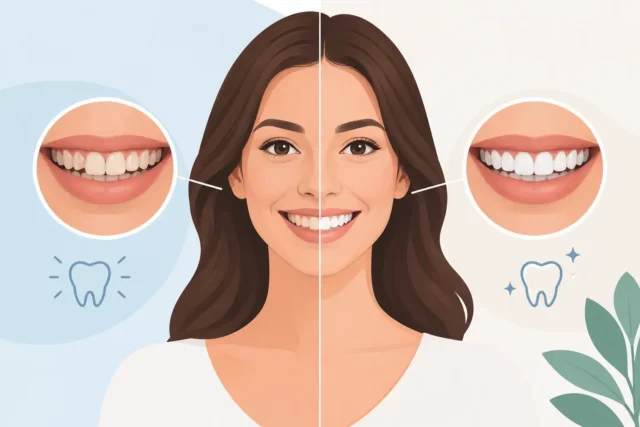
A smile makeover is rarely one dramatic procedure. More often, the most convincing before-and-after change comes from solving a few specific concerns in the right order: replacing a worn crown, brightening natural teeth, closing a small gap, or restoring teeth that have chipped over time. Looking at smile makeover before after examples can help you see what is possible, but the best result is one designed around your mouth, health, goals, and budget.
A great cosmetic result should still look like you. It should fit your face, support a comfortable bite, and be practical to maintain for years. That is why an in-person evaluation matters more than choosing a treatment from a photo alone.
What to Look for in Smile Makeover Before After Examples
Before-and-after photos can be helpful when you know how to read them. The obvious difference may be whiter or straighter teeth, but the clinical details are often what make the finished smile feel natural.
Look at the overall balance of the smile rather than one tooth at a time. Are the tooth shapes proportional? Do the front teeth follow the curve of the lower lip? Does the color look bright without appearing unnaturally opaque? Healthy-looking gums also matter. A beautiful restoration cannot fully compensate for inflammation, recession, or uneven gumlines that have not been addressed.
It is also worth asking whether the patient’s starting point resembles yours. A person with healthy teeth that are mildly discolored may need whitening and bonding. Someone with missing teeth, extensive wear, or old failing dental work may need a more comprehensive restorative plan. Similar concerns can lead to very different treatment recommendations.
Photos should represent real results, but they are not a promise that every person will have the same outcome. Natural tooth color, enamel condition, gum health, bite forces, healing, and daily habits all affect treatment choices and longevity.
Common Before-and-After Smile Makeover Examples
Stained or Yellow Teeth
One of the simplest smile transformations begins with professional whitening. Coffee, tea, red wine, tobacco, aging, and certain medications can leave teeth looking darker or more yellow over time. Whitening can lift many external and age-related stains while preserving natural tooth structure.
The before-and-after change can be striking, especially when the teeth are otherwise healthy and well aligned. Whitening does not change the color of crowns, fillings, veneers, or bonding, however. If visible restorations no longer match after whitening, they may need to be replaced for a consistent result.
Chipped, Worn, or Uneven Front Teeth
Small chips and worn edges can make a smile look older than it feels. Depending on the size of the concern, a dentist may recommend cosmetic bonding, veneers, or crowns. Bonding uses tooth-colored composite material to reshape a tooth or restore a missing corner. It is conservative and often completed quickly, though it may stain or chip more easily than porcelain.
Veneers are thin, custom porcelain shells placed over the front surface of teeth. They can improve color, shape, spacing, and minor alignment concerns at once. Crowns may be a better choice when a tooth is more heavily damaged, has a large filling, or needs full coverage for strength.
A meaningful before-and-after result is not always about making every tooth identical. Slight natural variation in shape and translucency often creates the most believable appearance.
Gaps and Mild Crookedness
A gap between front teeth or slight crowding can often be addressed with orthodontic treatment, bonding, veneers, or a combination of care. The right option depends on why the gap or misalignment exists.
Clear aligner treatment, including options such as SureSmile, moves the teeth into a healthier position. It can be an excellent choice when the bite needs improvement as well as the appearance of the smile. Treatment takes longer than bonding, but it preserves more natural enamel and can address underlying alignment concerns.
Bonding or veneers may visually close a small gap more quickly. The trade-off is that adding width to teeth is not ideal in every smile. If the teeth already appear broad, moving them orthodontically may produce a more balanced outcome.
Old Dental Work That No Longer Blends In
Many adults seek a smile makeover because older crowns, fillings, or bonding have darkened, chipped, or begun to stand out from surrounding teeth. Replacing visible restorations with carefully color-matched materials can refresh a smile without changing every tooth.
This type of makeover often requires thoughtful sequencing. If whitening is part of the plan, it is usually completed before final crowns or veneers are made so the new restorations can match the chosen shade. Digital planning and modern materials help create a natural look, but choosing the lightest possible shade is not always the best path. A shade that complements your skin tone and existing teeth can look more comfortable and authentic.
Missing Teeth and a Collapsed Smile
When teeth are missing, the change is about far more than appearance. A missing tooth can affect chewing, speech, bite balance, and confidence. Dental implants, bridges, or dentures can restore the visible smile while also helping patients eat and speak more comfortably.
An implant replaces the tooth root and supports a crown after healing. A bridge spans the space using neighboring teeth for support. Dentures can replace several teeth or a full arch and may be a practical solution depending on the number of missing teeth, bone support, health history, and budget.
Before-and-after examples involving missing teeth can be especially emotional because the improvement is functional as well as cosmetic. Still, treatment timing varies. Some patients need gum care, extractions, bone grafting, or temporary teeth before receiving their final restoration.
A Healthy Foundation Comes First
Cosmetic dentistry works best when the foundation is healthy. Cavities, gum disease, cracked teeth, infection, and bite problems should be identified before cosmetic treatment begins. Addressing these issues first protects your investment and helps the final result last.
For example, a patient may want veneers because their teeth look short and worn. If nighttime grinding caused the wear, simply placing veneers without addressing the grinding could lead to damage. A custom nightguard, bite adjustment, orthodontic treatment, or restorative plan may be part of the solution.
This is also why a trustworthy smile makeover consultation includes more than selecting a shade. Your dentist should review your medical and dental history, examine your teeth and gums, evaluate your bite, and discuss what you want to change. Photos, digital scans, and X-rays may be used to plan treatment carefully.
Questions to Ask During a Smile Makeover Consultation
A clear conversation can prevent surprises later. Ask which concerns are cosmetic and which are health-related, how much natural tooth structure each option requires, and what maintenance will be needed. You should also understand the expected timeline, temporary restorations if applicable, and whether treatment can be phased.
Cost is an appropriate part of the discussion. Some plans can begin with a lower-cost improvement, such as whitening or bonding, while larger restorative work is planned over time. The best option is not automatically the fastest or most extensive one. It is the plan that supports your oral health and matches your priorities.
If you feel anxious about dental care, mention that early. A welcoming dental team can explain each step, discuss comfort options, and make the experience feel more manageable. For families throughout Northern Colorado, having preventive, restorative, and cosmetic care in one practice can also make long-term planning easier.
Keeping Your New Smile Looking Its Best
The after photo is only the beginning. Daily brushing and flossing, routine cleanings, and regular exams help protect natural teeth and restorations alike. If you grind your teeth, a nightguard may be recommended. If you have crowns, veneers, bonding, or implants, your dental team can show you the best way to clean around them and watch for small issues before they become larger repairs.
Avoid using teeth to open packages or bite hard objects. Limit habits that stain teeth when possible, and ask whether touch-up whitening is appropriate for your situation. Porcelain resists stains well, while natural teeth and composite bonding may change color over time.
The most rewarding smile makeovers do not aim for a copy-and-paste Hollywood look. They help you smile, talk, eat, and show up in photos without trying to hide your teeth. A personalized conversation with a dentist can turn the examples you admire into a plan that feels comfortable, healthy, and genuinely yours.