
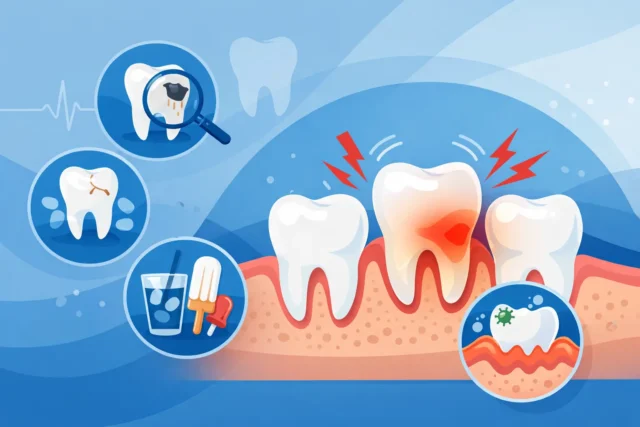
A tooth that was fine at breakfast can start throbbing by lunch, make cold water feel sharp, or hurt when you bite down. If you are wondering what causes sudden tooth pain, the answer is often that an existing dental concern has reached a point where the tooth can no longer compensate. Sudden pain deserves attention, but it does not always mean the same thing for every patient.
Some causes need prompt treatment to protect the tooth or stop an infection from spreading. Others may be related to a loose filling, gum irritation, jaw clenching, or food caught between teeth. Knowing the likely triggers can help you respond calmly and get the right care at the right time.
What causes sudden tooth pain?
Teeth have several protective layers. The hard enamel on the outside protects softer dentin beneath it, while the pulp at the center contains nerves and blood vessels. When decay, a crack, gum disease, or an injury exposes or inflames these deeper areas, pain can seem to appear out of nowhere.
The pattern of pain offers useful clues. A brief zing from something cold is different from a lingering ache, swelling, or pain that wakes you at night. Only an exam and, when needed, X-rays can identify the source with confidence, but these are some of the most common reasons.
Tooth decay that has reached a sensitive area
A cavity can grow quietly for months or longer. Early decay may not hurt at all, especially when it is between teeth or under an older restoration. Once it gets closer to the nerve, you may feel sensitivity to sweets, cold drinks, or heat. If decay reaches the pulp, discomfort can become severe, persistent, and difficult to ignore.
Treatment depends on how far the decay has progressed. A small cavity may only need a filling. If the nerve is infected or badly inflamed, a root canal and crown may be the best way to save the tooth. In some cases, extraction is the healthier option.
A cracked tooth or damaged filling
Teeth can crack after biting down on ice, popcorn kernels, hard candy, or a nonfood item. They can also develop tiny fractures over time from grinding or clenching. A crack may cause a sharp, unpredictable pain when biting or when releasing your bite. The tooth might not look damaged in the mirror.
Likewise, a filling or crown can loosen, chip, or leak around the edges. This can expose sensitive tooth structure or allow bacteria underneath the restoration. Avoid chewing on that side until a dentist evaluates it. A crack is not likely to heal on its own, and delaying care can allow it to extend deeper.
An infection or dental abscess
An abscess is a pocket of infection that can form around the root of a tooth or in the gums. It may cause strong, throbbing pain, tenderness when biting, facial swelling, a bad taste in the mouth, or a small bump on the gums that looks like a pimple. Sometimes the pain temporarily fades if the nerve inside the tooth dies, but the infection can still be present.
This is not a concern to wait out. Call a dental office promptly for guidance and an emergency appointment. If swelling affects your face, jaw, eye area, breathing, or swallowing, seek emergency medical care right away. Those symptoms can signal a spreading infection that needs immediate attention.
Gum problems and something stuck between teeth
Not all sudden tooth pain begins inside the tooth. Food trapped tightly between teeth can press on the gums and create surprising soreness. A popcorn hull is a familiar culprit, but fibrous meat, seeds, and dental flossing debris can also irritate the area. Gentle flossing and rinsing with warm salt water may help if the object can be removed easily.
Gum inflammation and periodontal disease can cause tenderness, bleeding, recession, and sensitivity around the roots. Receding gums expose root surfaces that do not have the same thick enamel protection as the crown of the tooth. Professional periodontal care may be needed if bleeding or tenderness is ongoing.
Sensitivity from worn enamel or exposed roots
If pain happens only with cold air, cold drinks, sweets, or brushing, sensitivity may be the issue. Acidic foods and drinks, aggressive brushing, enamel wear, gum recession, and grinding can all leave dentin more exposed. The result is often a quick, sharp sensation rather than a constant toothache.
Sensitive toothpaste can help some people over several weeks, but it is still wise to have new sensitivity checked. It can resemble early decay, a crack, or a failing filling. Your dentist can recommend treatment based on the cause, which may range from fluoride treatment to a protective restoration or night guard.
Grinding, clenching, or TMJ-related strain
Many people clench or grind their teeth during sleep or while concentrating, driving, or managing stress. The pressure can make teeth feel sore, create sensitivity, chip enamel, or lead to jaw muscle pain and headaches. You may notice that several teeth hurt rather than one specific tooth.
A custom night guard may protect teeth if nighttime grinding is a factor. However, bite pain should not automatically be blamed on grinding. A cracked tooth or infection can produce similar symptoms, so a dental evaluation matters.
Recent dental work or whitening
It is common to have temporary tenderness after a filling, crown, deep cleaning, or whitening treatment. A tooth may be sensitive for a few days after work near the nerve, and gums can feel tender after a cleaning. The discomfort should generally improve, not worsen.
Call your dentist if pain is increasing, your bite feels uneven, you cannot chew comfortably, or sensitivity lingers longer than you were told to expect. A simple bite adjustment can sometimes relieve pressure after a new filling or crown.
What to do when tooth pain starts suddenly
First, rinse your mouth with warm water and gently floss around the painful tooth to remove trapped food. Use a cold compress on the outside of the cheek if there is swelling or soreness. Over-the-counter pain medication may help when used only as directed on the label and when it is safe for you based on your health history.
Do not place aspirin directly on a tooth or gums. It can burn soft tissue and does not treat the cause. Avoid very hot, very cold, sugary, or hard foods, and try not to chew on the affected side. If a filling or crown has come out, keep it if you can and bring it to your appointment.
Pain relief is a bridge, not a cure. Antibiotics are not appropriate for every toothache and cannot repair decay, a crack, or a damaged restoration. A dentist needs to address the underlying problem.
When is sudden tooth pain an emergency?
Call for same-day dental guidance if pain is severe, constant, or interfering with sleep; if you have swelling, fever, drainage, or a bad taste; if a tooth is broken or knocked out; or if pain follows an injury. Parents should also seek prompt care when a child has facial swelling, significant pain, or trouble eating and drinking.
Go to an emergency room immediately for trouble breathing or swallowing, swelling that is rapidly spreading, confusion, or swelling near the eye. These are medical emergencies, not symptoms to monitor at home.
For families in Northern Colorado, Trail Ridge Dental can help evaluate urgent dental symptoms with a calm, patient-first approach. The sooner a painful tooth is examined, the more options there may be to relieve discomfort and preserve your natural smile.