
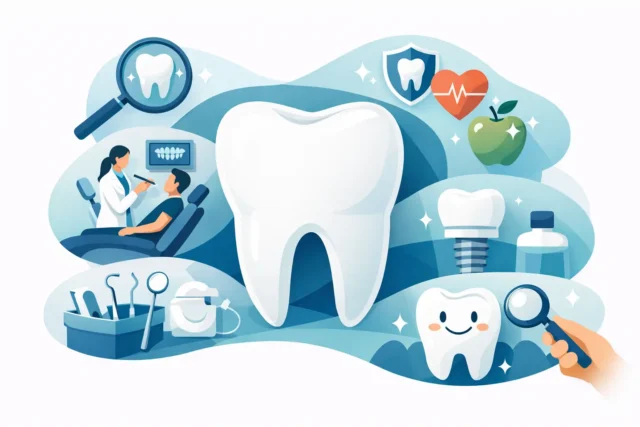
If you have ever been told you need more than a cleaning and exam, you may have wondered what does comprehensive dental care mean in real life. For most patients, it means having one dental home that can help with routine visits, fix problems early, restore damaged teeth, improve comfort, and support your smile over time instead of only treating issues as they come up.
That sounds simple, but it matters more than many people realize. Comprehensive care is not just a longer list of services. It is an approach to dentistry that looks at the full picture – your teeth, gums, bite, jaw comfort, appearance goals, health history, and even how easy it is for you to keep up with visits.
What comprehensive dental care means for patients
At its core, comprehensive dental care means your dentist is focused on both today and the long term. A routine cleaning is part of it, but so is identifying why a tooth keeps breaking, why your gums bleed, why you wake up with jaw soreness, or why your child may need orthodontic guidance as they grow.
In a comprehensive practice, care is connected. Preventive visits help catch decay before it turns into a root canal. Periodontal treatment protects the foundation that holds your teeth in place. Restorative work such as crowns, bridges, or implants helps you chew comfortably again. Cosmetic options can improve confidence, but they are usually planned with oral health and function in mind, not as a separate afterthought.
This kind of care tends to feel more personal because it is based on relationships, not one-off appointments. Your dental team gets to know your history, your concerns, your budget, and what matters most to you.
It goes beyond cleanings and cavity checks
Many people think dental care starts and ends with exams, X-rays, and fillings. Those are essential, but they are only part of the picture. Comprehensive care usually includes preventive, restorative, cosmetic, periodontal, and urgent treatment under one roof or within one coordinated plan.
Preventive care includes regular exams, professional cleanings, digital imaging, sealants when appropriate, and education that helps you maintain healthy habits at home. This is the part that often saves the most time, money, and discomfort later.
Restorative care comes into play when teeth are damaged, infected, missing, or worn down. That can include fillings, crowns, bridges, dentures, implants, root canals, and extractions. The goal is not only to repair a tooth but to restore strength, comfort, and function.
Cosmetic care may involve whitening, veneers, or orthodontic treatment such as braces or clear aligner systems. For some patients, cosmetic treatment is mostly about confidence. For others, appearance and function overlap. Straightening teeth, for example, can sometimes make them easier to clean and improve how they come together.
Periodontal care focuses on gum health and bone support. This area is often overlooked until symptoms become obvious, but healthy gums are a major part of a healthy smile. Without that support, even otherwise healthy teeth can become a problem.
Urgent and emergency care also belongs in a comprehensive model. Tooth pain, swelling, broken teeth, or sudden trauma do not always happen at convenient times. Having a dental team that can step in quickly matters.
Why a comprehensive approach can make care easier
One of the biggest benefits is convenience, but not just in the obvious sense. Yes, it is easier when one practice can handle care for children, adults, and seniors. It is also easier when treatment decisions are made with your full dental history in mind.
If you need a crown, your dentist can consider your bite, your gum health, your previous dental work, and whether there may be a more lasting fix than simply patching the same tooth again. If you are interested in whitening or veneers, a comprehensive provider can make sure there is no untreated decay or gum disease getting in the way. If your child needs routine care now and orthodontic support later, that path can be monitored over time.
This leads to fewer surprises. It also helps reduce the start-stop cycle many patients experience when they bounce between offices for different needs.
What does comprehensive dental care mean for families?
For families, comprehensive dental care often means continuity. Parents do not have to piece together separate providers for checkups, fillings, orthodontic concerns, or urgent visits unless a specialist is truly needed. Children can grow up with a familiar team. Adults can stay on top of maintenance while also planning for bigger needs such as replacing missing teeth or managing worn dental work.
That continuity has a practical side and an emotional one. Practically, it saves time and simplifies scheduling. Emotionally, it helps patients feel more at ease, especially those who are nervous about dental treatment. Familiar faces, clear explanations, and a team that knows your history can make a major difference.
For many households, affordability is part of the conversation too. Comprehensive care works best when it is realistic to maintain. Transparent treatment planning, a clear discussion of options, and support for uninsured patients can make ongoing care feel possible instead of overwhelming.
Comprehensive care is also about prevention with a plan
A good comprehensive dentist does not wait for pain to drive every decision. The goal is to spot patterns early and recommend care based on what is likely to happen next, not just what is wrong today.
That might mean watching a cracked tooth before it becomes an emergency, treating gum inflammation before bone loss progresses, or discussing options for a missing tooth before neighboring teeth shift. It may also mean recognizing habits such as grinding, clenching, or inconsistent home care and helping you address the cause.
This is where the phrase comprehensive really earns its value. It is not about selling more treatment. It is about creating a plan that protects your oral health over the long run.
Comprehensive does not mean every patient needs everything
This point matters. Comprehensive dental care does not mean every visit turns into a major treatment plan. It also does not mean every patient needs cosmetic work, orthodontics, implants, or TMJ treatment.
It means your dentist can evaluate the whole picture and recommend what fits your specific needs. For one person, that may be regular cleanings and the occasional filling. For another, it may mean periodontal therapy, crowns, or replacing missing teeth to protect the rest of the mouth.
There are trade-offs too. Sometimes the ideal treatment and the most realistic treatment are not the same. Budget, timing, anxiety, insurance limitations, and personal priorities all play a role. A comprehensive practice should be able to explain options clearly, including what happens if treatment is delayed, so you can make informed decisions without pressure.
What to look for in a comprehensive dental office
If you are trying to decide whether a practice truly offers comprehensive care, look beyond the service menu. Breadth matters, but so does how care is delivered.
A strong comprehensive office will usually emphasize thorough exams, personalized treatment planning, and patient education in plain language. It should be able to support preventive care, restorative needs, cosmetic goals, and urgent issues without making the experience feel rushed or impersonal.
Modern technology can help, especially when it improves accuracy, comfort, or convenience. Same-day crown technology, for example, can reduce the need for multiple visits in certain cases. But technology alone is not the definition of comprehensive care. The real test is whether the team uses its tools and expertise to build a thoughtful, long-term plan around you.
That is one reason many patients in Northern Colorado look for a practice that can care for the entire household over time. At Trail Ridge Dental, that relationship-based model is a big part of what comprehensive care is meant to feel like – dependable, welcoming, and centered on what patients actually need.
Why this approach matters more as life changes
Your dental needs are not static. A child learning healthy habits, a busy parent postponing treatment, an adult considering smile improvements, and an older patient replacing worn or missing teeth all need something different.
Comprehensive care adapts with those changes. It makes room for preventive visits when things are going well and gives you a clear path when they are not. It supports urgent treatment when pain shows up unexpectedly. It also helps connect oral health with comfort, confidence, and daily function, which is why it tends to feel more complete than a basic checkup model.
If you have been wondering whether comprehensive dental care is worth seeking out, think of it this way: it is less about getting every possible service and more about having a trusted dental home that can see the whole picture. When your care is connected, personalized, and built for the long term, it becomes much easier to protect your smile through every stage of life.