
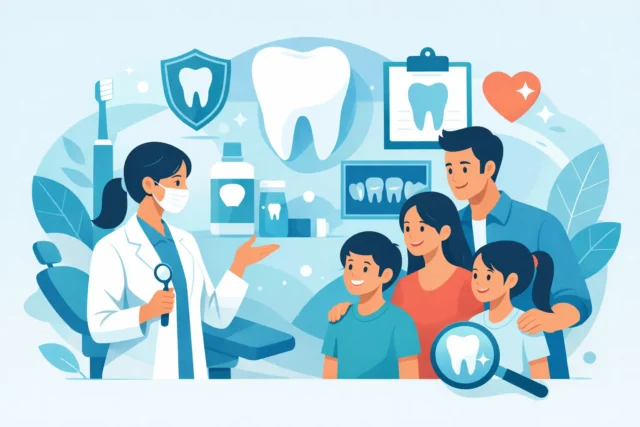
A child with a loose tooth, a parent overdue for a cleaning, and a grandparent considering dentures may all need very different things from the dentist. If you have ever asked, “what is comprehensive dental care?” the simple answer is care that looks after the whole person and the full range of their oral health needs, rather than treating one isolated problem at a time.
For many families, comprehensive care means having a dental home where routine prevention, sudden concerns, restorative treatment, and smile goals can be addressed with a familiar team. It is designed to make dental care feel more connected, more convenient, and less intimidating over the years.
What Is Comprehensive Dental Care?
Comprehensive dental care is an approach that combines preventive, diagnostic, restorative, cosmetic, and urgent dental services. Your dentist does not simply focus on the tooth that hurts today. They consider your gums, bite, jaw comfort, medical history, daily habits, and future risks to create a care plan that makes sense for you.
That does not mean every patient needs every service. Someone with healthy teeth and gums may only need exams and cleanings, while another person may need periodontal treatment, a crown, or help replacing missing teeth. The value is in having a complete picture and a team that can coordinate care when needs change.
It also means care is ongoing. A filling completed this year may need to be monitored in future visits. A child’s changing bite may call for orthodontic guidance later. Regular visits give your dental team a chance to catch small changes before they become painful, complicated, or more expensive to treat.
Prevention Is the Foundation
Preventive care is where comprehensive dentistry begins. Regular exams, professional cleanings, digital X-rays when appropriate, oral cancer screenings, fluoride recommendations, and gum evaluations help protect teeth before major treatment is needed.
During an exam, your dentist may look for early decay, worn enamel, cracked teeth, signs of gum disease, changes in your bite, or concerns related to clenching and grinding. Many dental problems develop quietly. A cavity can grow without causing pain, and gum disease may begin with bleeding during brushing rather than a dramatic symptom.
Prevention also includes practical guidance that fits real life. A family with a child who snacks often may need a conversation about cavity-friendly routines. An adult who drinks coffee daily may want advice on stain management. Someone who wakes with jaw soreness may benefit from discussing a nightguard or TMJ treatment. Good recommendations are personal, not one-size-fits-all.
Restoring Teeth When Problems Arise
Even people who brush and floss consistently can develop decay, break a tooth, lose a filling, or need treatment after an injury. Comprehensive dental care includes options to restore comfort, chewing ability, and appearance without sending patients from office to office for every step.
Small areas of decay may be treated with fillings. A tooth with more extensive damage can require a crown, which covers and strengthens the remaining tooth structure. When available and appropriate, same-day CEREC crowns can reduce the need for a temporary crown and a second appointment.
If a tooth is infected or its nerve is damaged, root canal treatment may save it. If a tooth cannot be saved, an extraction may be the healthiest choice. That can feel discouraging, but comprehensive planning does not stop at removal. Your dentist can discuss whether a bridge, denture, or dental implant could help restore the gap and support your bite.
There are trade-offs with every option. An implant can provide a secure, long-lasting tooth replacement, but it requires adequate bone, healing time, and a larger upfront investment. A bridge may be a good solution in some situations, while a removable denture can be the most practical choice for others. The right answer depends on your oral health, goals, timeline, and budget.
Healthy Gums and a Comfortable Bite Matter, Too
Teeth get much of the attention, but gums are the foundation that holds them in place. Comprehensive care includes periodontal evaluations and treatment for gum disease. Early gum inflammation can often improve with better home care and professional cleanings. More advanced disease may require deeper cleanings and ongoing periodontal maintenance.
A complete approach also considers how your teeth come together. An uneven bite, nighttime grinding, jaw clicking, or chronic facial muscle tension can affect comfort and tooth longevity. TMJ treatment, bite protection, or orthodontic care may be recommended when they are likely to help.
Braces and clear aligner options such as Sure Smile are not only about straighter-looking teeth. In some cases, orthodontic treatment can make cleaning easier, improve bite function, and create space for restorative work. Still, cosmetic and orthodontic choices should start with healthy gums and a clear understanding of what treatment can realistically achieve.
Cosmetic Care Has a Place in a Complete Plan
A healthy smile and a confident smile often overlap, but they are not exactly the same thing. Comprehensive dental care makes room for cosmetic goals while protecting the health and function of your teeth.
Professional whitening can brighten natural enamel. Veneers can change the appearance of teeth affected by chips, gaps, discoloration, or uneven shape. Crowns may improve both a weakened tooth and its appearance. Before moving ahead, a thoughtful dentist checks for decay, gum disease, bite issues, and habits such as grinding that could affect the result.
Cosmetic treatment is highly personal. Whitening may be enough for one patient, while another may want a more significant change. A clear conversation about longevity, maintenance, cost, and alternatives helps you make a decision you can feel good about.
What Comprehensive Care Looks Like During an Emergency
Dental emergencies rarely happen at a convenient time. A severe toothache, swelling, broken tooth, knocked-out tooth, or lost crown deserves prompt attention. Comprehensive practices can evaluate the issue, relieve discomfort, and help determine the next step, whether that is a repair, root canal, extraction, or short-term protection for the tooth.
Not every dental concern requires emergency treatment, but pain, swelling, trauma, uncontrolled bleeding, or a tooth that has been knocked out should not wait. Calling early can protect your health and may improve the chance of saving a tooth.
For families, having an established dental home can make these moments less stressful. Your care team already has your records, understands your dental history, and can explain options in a familiar, supportive setting.
Why One Dental Home Can Make Care Easier
Comprehensive dentistry is especially useful for busy households because it brings a wide range of needs together. Children can build positive habits in the same practice where parents receive restorative care and grandparents explore tooth replacement options. Familiarity can be reassuring for patients who feel nervous about dental visits, too.
Continuity also improves decision-making. When the same team has followed your oral health over time, they can spot meaningful changes and recommend treatment at the right moment. That does not mean rushing into procedures. Sometimes the best plan is to monitor a small issue, improve home care, and reassess at the next visit.
Cost is part of the conversation as well. Dental insurance can help, but it does not cover every need or determine what is clinically best. Patients without insurance may benefit from an in-house membership plan that supports regular preventive visits and offers savings on treatment. Asking for a clear estimate and discussing priorities can make care more manageable.
Choosing a Comprehensive Dentist for Your Family
Look for a practice that welcomes patients of different ages, explains treatment in plain language, and offers the services you are most likely to need. Modern technology, emergency availability, comfortable care options, and flexible payment choices can all make a difference, but trust matters just as much.
You should feel comfortable asking why a treatment is recommended, what alternatives exist, what can happen if you wait, and how long the result may last. A dependable dental team will answer without pressure and help you prioritize what needs attention now versus what can be planned for later.
At Trail Ridge Dental, comprehensive care is about more than offering many treatments. It is about helping each member of your practice family feel known, comfortable, and supported through every stage of their smile. A routine exam is a simple place to start, and it can give you a clearer path toward healthier teeth, healthier gums, and greater peace of mind.