
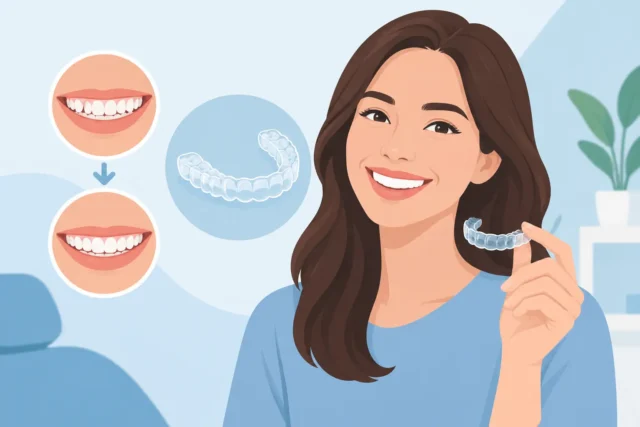
A smile concern does not have to mean years of conspicuous metal braces. If you have been asking, “what is sure smile treatment?” the short answer is that it is a customized clear-aligner approach that gradually moves teeth into healthier, more balanced positions. For many teens and adults, it offers a discreet, removable alternative to traditional braces.
SureSmile treatment is not a one-size-fits-all set of trays. Your dentist begins with a detailed evaluation and digital scans of your teeth, then uses specialized planning technology to map out each planned movement. The resulting aligners are made to fit your smile and are changed in a prescribed sequence as treatment progresses.
What Is Sure Smile Treatment Designed to Correct?
SureSmile clear aligners can address many common alignment concerns, including mild to moderate crowding, gaps between teeth, rotated teeth, and certain bite issues. Moving teeth into a more favorable position can improve the appearance of a smile, but the benefits may go beyond cosmetics. Teeth that are less crowded or overlapping can be easier to brush and floss thoroughly.
That said, aligners are not automatically the best choice for every orthodontic need. More complex bite problems, significant tooth movement, or skeletal jaw concerns may be better treated with braces or may require a different approach. A thoughtful exam matters because the right treatment should support your oral health, comfort, and long-term results, not simply provide the least noticeable option.
Before beginning treatment, your dentist will check for cavities, gum disease, loose restorations, and other concerns that should be addressed first. Healthy teeth and gums create the best foundation for orthodontic movement.
How SureSmile Clear Aligners Work
Treatment starts with a consultation. Your dentist listens to what you would like to change, evaluates your bite and dental health, and discusses whether clear aligners are an appropriate fit. Digital impressions replace the goopy impression material many patients remember from the past.
Using the scans, your care team creates a personalized treatment plan that shows the intended stages of tooth movement. Once your aligners are ready, you will receive a series of clear trays. Each set applies gentle, controlled pressure to specific teeth. As you move from one set to the next, your teeth gradually follow the planned path.
Most patients wear their aligners about 20 to 22 hours each day. They should come out for meals and anything other than plain water, then go back in after you brush your teeth or rinse. This routine is a major advantage for people who want freedom at meals, but it also means treatment depends on consistency. Aligners only work when they are worn.
You will return for periodic check-ins so your dentist can monitor progress, answer questions, and make sure the aligners are tracking as planned. Some patients also need small tooth-colored attachments. These are temporary, subtle shapes bonded to selected teeth that give aligners a better grip for certain movements. They are common and can make treatment more predictable.
What Does Treatment Feel Like?
A new aligner may feel snug for the first day or two. That pressure is a normal sign that the tray is engaging your teeth. Most people describe the sensation as manageable rather than painful, though everyone’s experience is different.
Your speech may feel slightly different at first, and you may produce more saliva while you adjust to wearing the trays. These effects usually fade quickly as your mouth gets used to them. Unlike braces, clear aligners do not have brackets or wires that can rub against the cheeks, though the edges may need a minor adjustment if they feel sharp or irritating.
If an aligner cracks, becomes badly warped, or is lost, call your dental office promptly. Do not assume you should skip ahead to the next tray. Your dentist can tell you whether to wear a previous aligner, move forward, or order a replacement.
How Long Does SureSmile Treatment Take?
The timeline depends on your starting bite, the type of movements needed, and how consistently you wear the aligners. Some minor cosmetic cases may take only a few months, while more involved treatment can take a year or longer. Your dentist can give you a more meaningful estimate after reviewing your digital scans and treatment goals.
Wearing aligners only part-time, frequently forgetting to put them back in after meals, or changing trays without professional guidance can delay progress. Teeth do not always move exactly as predicted, either. In some cases, refinement aligners are needed near the end of treatment to make final adjustments. This is a normal part of personalized orthodontic care, not necessarily a sign that anything went wrong.
SureSmile vs. Traditional Braces
Clear aligners and braces can both create excellent results. The better choice comes down to your clinical needs and daily habits.
SureSmile aligners are nearly invisible, removable, and easy to take out for meals, sports, and brushing. Patients often appreciate being able to floss normally and eat foods that would be difficult with braces. However, that flexibility requires responsibility. Removing aligners too often or leaving them out for long stretches can compromise results.
Traditional braces remain highly effective and may offer more control for complex cases. They are fixed in place, so there is no need to remember to wear them, but they require extra care around food and cleaning. Your dentist can explain the trade-offs clearly and recommend the option that fits your smile rather than steering you toward a single solution.
Caring for Your Aligners and Your Smile
A few simple habits protect both your aligners and your teeth throughout treatment. Remove the trays before eating, and avoid drinking coffee, tea, soda, or other colored beverages while wearing them. Heat can warp plastic, and pigments can make clear trays look less clear.
Clean aligners daily with a soft toothbrush and cool or lukewarm water. Use products specifically intended for aligners if recommended by your dental team. Toothpaste can be abrasive on some plastics, so ask what is best for your trays. Keep them in their case whenever they are out of your mouth. Many lost aligners are accidentally wrapped in a napkin during a meal.
Brushing and flossing after meals matters even more during aligner treatment. Putting trays over food particles or plaque can trap bacteria against your teeth, raising the risk of cavities, bad breath, and gum irritation. Continue regular cleanings and exams so your dental team can help keep your smile healthy while it changes.
What Happens After Treatment?
When active aligner treatment is complete, retainers protect the result. Teeth have a natural tendency to shift over time, even after braces or aligners. A retainer holds them in their new positions while the surrounding bone and tissues stabilize.
Your dentist will tell you how often to wear your retainer based on your individual case. Many patients begin with more frequent wear and transition to nighttime use. Retainer instructions are not an optional final step. They are what help preserve the time, effort, and investment you put into your new smile.
Is SureSmile Worth Considering?
SureSmile can be a valuable option for people who want a more discreet way to improve tooth alignment and are prepared to wear their aligners consistently. Cost varies based on the complexity and length of treatment, as well as any dental work needed beforehand. During a consultation, ask for a clear explanation of the anticipated treatment plan, what is included, payment options, and whether your dental benefits may contribute.
At Trail Ridge Dental, we believe orthodontic decisions should feel informed, comfortable, and personal. A consultation can help you move beyond online before-and-after photos and understand what your own smile needs. If clear aligners are a fit, you can begin with a plan that respects both your goals and your everyday life.