
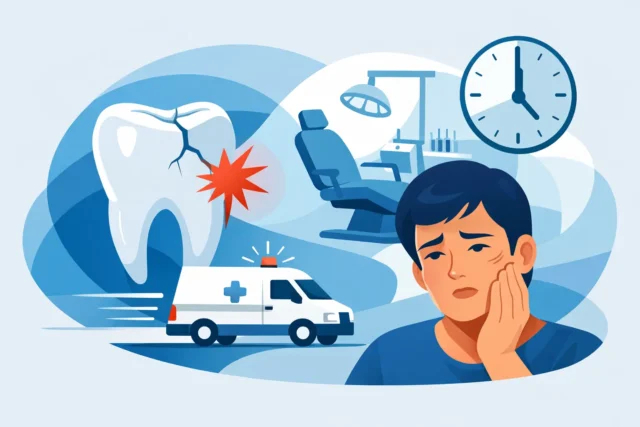
A throbbing tooth can turn a normal workday, family dinner, or Saturday morning into something you simply have to get through. Emergency dentistry is designed for those moments: when pain, injury, swelling, or a damaged restoration needs prompt attention instead of a wait-and-see approach.
The right next step depends on what happened and how severe the symptoms are. Some issues can wait briefly with careful home measures, while others need same-day dental care to relieve pain, protect the tooth, and prevent an infection or injury from becoming more complicated. Knowing the difference can help you act calmly when time matters.
What Counts as a Dental Emergency?
A dental emergency is any problem that causes significant pain, bleeding, swelling, trauma, or a sudden change that threatens your oral health. It does not have to involve a dramatic accident to deserve urgent care. A cracked tooth that hurts whenever you bite or a worsening toothache that keeps you awake are both good reasons to call.
Common reasons patients seek prompt dental treatment include severe tooth pain, a knocked-out or loose permanent tooth, a broken or cracked tooth, a lost filling or crown, swelling of the gums or face, an abscess, uncontrolled bleeding, or an injury to the lips, gums, jaw, or tongue.
Not every dental concern is an emergency, but discomfort should not be dismissed simply because it comes and goes. Dental pain often signals decay, a crack, gum infection, or inflammation inside the tooth. These conditions may be easier to treat before pain becomes severe.
When to seek medical emergency care first
Call 911 or go to the nearest emergency room if you have trouble breathing or swallowing, rapidly spreading facial or neck swelling, severe bleeding that will not stop, a suspected broken jaw, or a significant head injury. These symptoms can extend beyond dental care and require immediate medical attention.
For urgent tooth, gum, crown, or denture problems without those warning signs, call a dental office as soon as possible. Describe what happened, when it started, and whether there is pain, swelling, bleeding, fever, or sensitivity to hot and cold. Clear details help the team determine how quickly you need to be seen.
Emergency Dentistry for Toothaches and Swelling
A toothache is one of the most common reasons to seek emergency dentistry, especially when the pain is sharp, persistent, or strong enough to interrupt sleep. Sensitivity can sometimes come from a minor issue, but lingering pain may mean the nerve inside the tooth is inflamed or infected.
Rinse gently with warm water and floss carefully around the sore tooth in case food is trapped between teeth. A cold compress on the outside of the cheek may reduce swelling and discomfort. Over-the-counter pain medicine can be helpful when taken exactly as directed and when it is safe for you based on your medical history.
Do not place aspirin, alcohol, or other medications directly on the gum or tooth. They can burn soft tissue and do not address the source of the problem. Antibiotics are not a substitute for dental treatment, either. If an infection is present, the tooth may need treatment such as drainage, root canal therapy, or extraction to resolve the cause.
Swelling deserves particular attention. A small, tender bump on the gum, a bad taste in the mouth, fever, or facial swelling may point to an abscess. Even if the pain briefly improves, the infection may still be active. Prompt care protects your comfort and can help prevent the infection from spreading.
What to Do When a Tooth Is Broken or Knocked Out
A chipped tooth is not always urgent, but a large break, a sharp edge, or pain when biting should be evaluated quickly. Save any pieces you can find. Rinse your mouth with warm water, use a cold compress if your face is swollen, and cover a sharp edge with dental wax if available. Avoid chewing on that side until your visit.
A knocked-out permanent tooth is time-sensitive. Pick it up by the crown, which is the part normally visible above the gums, rather than touching the root. If it is dirty, rinse it gently with milk or clean water without scrubbing it. If possible, place it back into the socket and have the person bite gently on clean gauze to hold it in place.
If reinserting the tooth is not possible, keep it moist in milk or in a tooth-preservation product if one is available. For older children and adults who can do so safely, the tooth may also be kept inside the cheek. Call immediately and head to the dental office. The sooner a knocked-out tooth is treated, the better the chance of saving it.
Baby teeth need a different approach. Do not try to place a knocked-out baby tooth back into the socket, as this may harm the developing permanent tooth. Call for guidance and have your child evaluated, particularly if there is bleeding, pain, or concern about injury to the jaw.
A Lost Crown, Filling, or Restoration
A lost crown or filling can leave a tooth sensitive to air, pressure, and temperature. It may feel minor at first, yet the exposed tooth can crack or become more painful if it is not protected. Keep the crown if you have it, as it may be possible to recement it depending on its condition and the tooth underneath.
Avoid using household glue to put a crown back on. It can damage the restoration and make safe treatment more difficult. Until you are seen, chew on the other side, avoid sticky or hard foods, and keep the area clean. Temporary dental cement sold at a pharmacy may be appropriate for some patients, but it is still a short-term measure rather than a repair.
The same principle applies to a broken denture, loose bridge, or damaged veneer. Trying to repair dental appliances at home can cause further damage or create a choking risk. Bring all pieces to your appointment so the dental team can assess the best path forward.
How Prompt Care Can Save Time and Treatment
Waiting is understandable. People worry about cost, scheduling, or whether the pain will fade on its own. But with dental emergencies, delay can change the treatment needed. A small crack may become a deeper fracture. Untreated decay may reach the nerve. A treatable infection can become much more painful and complex.
That does not mean every urgent visit leads to major treatment. Sometimes the immediate goal is diagnosis and relief: smoothing a sharp edge, replacing a filling, adjusting a restoration, treating inflammation, or creating a plan for the next step. Modern options can often make care more comfortable and efficient than patients expect.
At Trail Ridge Dental, urgent visits are approached with the same compassion and clear communication as routine care. Patients should understand what is happening, what needs attention now, and what choices are available for protecting their oral health and budget.
Preparing for an Urgent Dental Visit
When you call, share your symptoms and any relevant medical conditions or medications. If possible, bring a photo ID, insurance information, and the damaged restoration or tooth fragment. For an injury, it can also help to note the time it occurred and whether you had dizziness, loss of consciousness, or jaw pain.
Try not to eat a heavy meal before an emergency visit if there is a chance you may need a procedure or sedation. If you have facial swelling, a cold compress can offer comfort during the trip. Most of all, do not feel embarrassed about calling. Dental emergencies happen to careful brushers, active kids, busy parents, and adults of every age.
A prompt call can replace a long, painful night with a clear plan and real relief. When something feels wrong with your tooth, gums, or dental work, trust that instinct and ask for help.