
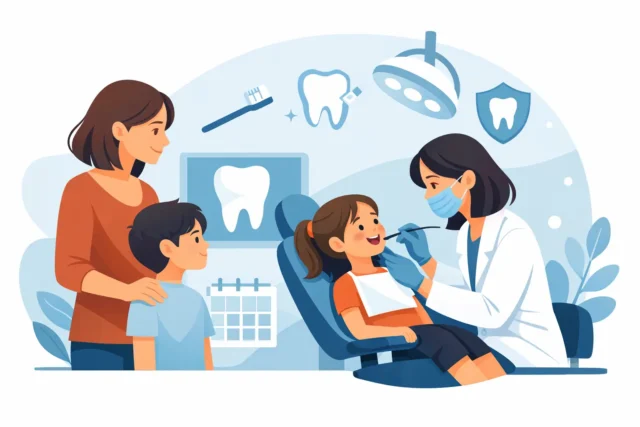
That first tiny tooth can bring a surprising mix of excitement and questions. One of the most common is: when should kids see dentist? The answer is earlier than many parents expect. A child’s first dental visit should happen by their first birthday or within six months after their first tooth appears, whichever comes first.
That may sound early, especially if your child only has one or two teeth. But early visits are less about lengthy treatment and more about prevention, reassurance, and helping your child build a comfortable relationship with dental care. Starting early also gives parents clear guidance on cleaning teeth, preventing cavities, and knowing what is normal as a smile develops.
When Should Kids See the Dentist for the First Time?
The American Dental Association recommends scheduling the first visit by age 1. Primary teeth, often called baby teeth, can develop cavities soon after they erupt. Even though these teeth eventually fall out, they play an essential role in chewing, speech development, facial growth, and holding space for adult teeth.
An early appointment lets the dentist check how the teeth and jaws are developing, look for early signs of decay, and discuss your child’s individual needs. It also gives you a chance to ask the practical questions that do not always have obvious answers: Is toothpaste safe to use? Should we worry about thumb-sucking? What should a bedtime routine look like?
For many toddlers, the first appointment is brief and gentle. Your child may sit on your lap while the dental team counts teeth, checks the gums, and helps them get familiar with the sights and sounds of the office. The goal is to make the experience positive, not overwhelming.
Why Baby Teeth Need Professional Care
It is easy to think dental visits can wait until permanent teeth arrive. In reality, cavities in baby teeth can cause pain, infection, trouble eating, and missed school or sleep. A painful tooth can also make a child fearful of future care, which is why prevention and early treatment matter.
Baby teeth guide adult teeth into their proper positions. If a baby tooth is lost too early because of decay or injury, nearby teeth can shift into the open space. That may create crowding concerns later. Regular dental visits allow your child’s dentist to watch for changes in bite, spacing, and jaw growth before they become more complicated.
Early care also helps normalize dental visits. Children who begin with simple checkups often learn that the dentist is a familiar, supportive part of staying healthy, much like routine pediatric visits.
How Often Should Children Go to the Dentist?
After the first visit, most children benefit from a checkup every six months. This schedule gives the dental team a chance to remove plaque, monitor development, reinforce healthy habits, and catch small concerns before they turn into painful or expensive problems.
That said, every child is different. A child with frequent cavities, weak enamel, orthodontic concerns, or a medical condition that affects oral health may need more frequent visits. Your dentist will recommend a schedule based on your child’s risk factors rather than applying one rule to every family.
Regular appointments are also helpful as children grow more independent. A preschooler may need coaching on brushing. An older child may need help improving flossing habits. Teenagers may need guidance on sports mouthguards, braces, wisdom teeth, or the extra cavity risk that can come with sugary drinks and busy schedules.
Signs Your Child Should See a Dentist Sooner
You do not need to wait for a routine checkup if something seems wrong. Children do not always describe dental discomfort clearly, and some will avoid mentioning it because they are nervous or assume the pain will go away.
Schedule an appointment promptly if your child has a toothache, swelling of the face or gums, bleeding that does not improve with gentle brushing, a chipped or broken tooth, or a tooth that becomes loose after an injury. Sensitivity to cold, heat, or sweets can also signal a cavity or another concern.
Watch for visible changes as well. White spots near the gumline can be an early sign of enamel weakening, while brown or black spots may point to decay. Persistent bad breath, difficulty chewing, or avoiding food on one side of the mouth are also worth discussing with a dentist.
If your child has a knocked-out permanent tooth, treat it as urgent. Handle the tooth by the crown, not the root, and contact a dentist right away. If possible, gently place the tooth back in the socket or keep it moist in milk while you travel to the office. Do not try to reinsert a knocked-out baby tooth, since that could affect the developing adult tooth underneath.
What Happens at a Child’s Dental Checkup?
A child’s appointment should meet them where they are. For a young child, the visit may focus on a visual exam, a gentle cleaning when appropriate, and parent education. As your child becomes more comfortable, visits may include dental X-rays, fluoride treatment, sealants, and more thorough cleanings.
X-rays are not automatically needed at every appointment. They are recommended when they can help the dentist see areas between teeth, check developing adult teeth, assess an injury, or evaluate a possible problem that cannot be seen during an exam. Modern digital X-rays use very low levels of radiation, and dentists use them only when clinically useful.
Fluoride can strengthen enamel and lower the risk of cavities. Dental sealants may also be recommended once permanent molars come in. Sealants are thin protective coatings placed in the grooves of back teeth, where food and bacteria often collect. They are a preventive option, not a substitute for brushing and flossing.
Helping Your Child Feel Comfortable Before the Visit
Parents can make a real difference in how a child experiences dental care. Keep your explanation simple and positive. You might say the dentist will count their teeth and help keep their smile strong. Avoid using scary words such as “shot,” “drill,” or “hurt,” even if you are trying to prepare them for the possibility of treatment.
Choose a time when your child is usually rested and cooperative, especially for an early appointment. Bringing a favorite comfort item can help younger children feel secure. If your child is anxious, let the dental team know before the visit. A family-focused office can adjust the pace, explain each step in child-friendly language, and give your child time to settle in.
It is also helpful to stay calm yourself. Children are very good at reading a parent’s expression and tone. A relaxed, matter-of-fact approach tells them that dental care is normal and manageable.
Healthy Habits Between Visits
Dental checkups work best alongside a steady home routine. Clean your baby’s gums with a soft, damp cloth before teeth appear. Once the first tooth comes in, brush twice daily with a soft, age-appropriate toothbrush and a smear of fluoride toothpaste about the size of a grain of rice. At age 3, use a pea-sized amount and encourage your child to spit it out.
Parents should help brush until children have the coordination to do a thorough job on their own, often around ages 6 to 8. Floss when teeth touch. Water is the best everyday drink between meals, while frequent sipping on juice, soda, sports drinks, and sweetened milk can increase cavity risk.
Bedtime deserves extra attention. After brushing at night, offer water only. Milk, juice, and other sweet drinks can leave sugars on teeth for hours during sleep.
For families in Johnstown, Longmont, and nearby Northern Colorado communities, Trail Ridge Dental can help make early visits feel comfortable for both children and parents. A welcoming dental home gives your child a place to grow into care over time, from their first tooth through school years and beyond.
A first dental appointment is not a test of whether you have done everything perfectly. It is simply a caring next step: a chance to protect your child’s smile, ask questions without judgment, and give them a calm start with dental care.