
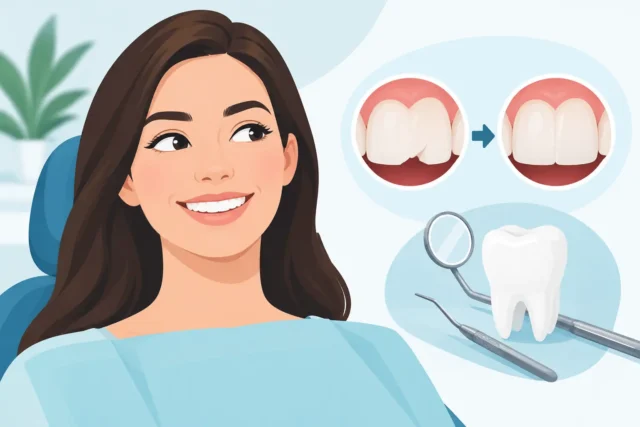
A chipped tooth can happen in one quick moment: a fall at the playground, an unexpected hard popcorn kernel, a sports injury, or a tooth that has gradually weakened from grinding. The good news is that can dentists repair chipped teeth is usually a straightforward question with a reassuring answer: yes. The right repair depends on how much tooth structure is missing, whether the chip reaches the inner tooth, and where the tooth sits in your smile and bite.
Even a small chip deserves attention. It may feel minor at first, but a sharp edge can irritate your tongue or cheek, and a damaged tooth can be more vulnerable to additional cracking. A dentist can assess the area, protect the tooth, and help your smile feel natural again.
Can Dentists Repair Chipped Teeth of Any Size?
Dentists can repair many chipped teeth, from a tiny rough edge to a larger break that affects appearance, comfort, or chewing. The treatment is not one-size-fits-all. A small chip on a front tooth may need gentle smoothing or cosmetic bonding, while a back tooth that lost a larger section may need a crown for dependable strength.
The key question is whether the chip involves enamel only or extends deeper into the dentin or pulp. Enamel is the strong outer layer of the tooth. Dentin lies beneath it and can cause sensitivity when exposed. The pulp contains the tooth’s nerve and blood supply, so damage there may require more involved treatment.
A dental exam and, when appropriate, an X-ray help reveal damage that is not visible in the mirror. This matters because a tooth can have a hairline crack beneath a seemingly simple chip. Treating the full problem early can help prevent pain, infection, or a more extensive repair later.
The Most Common Ways Dentists Repair Chipped Teeth
Smoothing and reshaping
For a very small chip, your dentist may be able to smooth and polish the sharp or uneven area. This approach is conservative, quick, and often works well when only a tiny amount of enamel has broken away. It does remove a small amount of tooth structure to create an even shape, so it is best for minor imperfections rather than noticeable missing portions of a tooth.
Dental bonding
Dental bonding is a popular option for visible chips, especially on front teeth. The dentist applies a tooth-colored composite resin, shapes it to match the surrounding enamel, and hardens it with a special light. The result can restore the tooth’s contour and blend naturally with your smile.
Bonding is usually completed in one visit and preserves more natural tooth structure than a crown or veneer. The trade-off is that composite resin may stain or chip over time, particularly if you bite your nails, chew ice, or grind your teeth. It can often be touched up or replaced when needed.
Veneers
A veneer is a thin, custom-made covering placed over the front surface of a tooth. It may be a good option when a front tooth has a larger chip or when someone also wants to improve concerns such as uneven shape, discoloration, or small gaps.
Veneers are designed for appearance and can create a beautiful, balanced result. Because they generally involve preparing the front of the tooth, they are a bigger long-term commitment than bonding. A dentist can help you compare the cosmetic benefit, durability, cost, and amount of tooth preparation before deciding.
Dental crowns
When a tooth has lost significant structure or has a crack that needs protection, a crown may be the strongest choice. A crown covers the entire visible portion of the tooth, restoring its shape and helping it handle normal biting forces. Crowns are especially common for chipped back teeth, where chewing pressure is greatest.
If you have a busy schedule, same-day CEREC crown technology may allow certain qualifying crowns to be designed and placed in one appointment. Not every chipped tooth needs a crown, but when the tooth is structurally compromised, a crown can prevent the damage from worsening.
Root canal treatment and a crown
A deep chip can expose or inflame the pulp inside the tooth. Signs may include lingering sensitivity to hot or cold, spontaneous toothache, swelling, or a pimple-like bump on the gums. In these cases, a root canal may be needed to remove infected or damaged tissue and preserve the natural tooth. A crown is often placed afterward to reinforce it.
This may sound intimidating, but modern root canal treatment is focused on getting you out of pain and saving a tooth that might otherwise be lost.
What to Do Right After You Chip a Tooth
Start by rinsing your mouth gently with warm water. If there is bleeding from your lip, tongue, or gums, apply light pressure with clean gauze. A cold compress against the outside of your cheek can help reduce swelling.
If you can find the broken piece, place it in a clean container with milk or saliva and bring it to your appointment. In some situations, a dentist may be able to bond the original fragment back onto the tooth. Do not scrub the piece or try to glue it yourself.
Until you are seen, avoid chewing on that side and choose soft foods. If an edge is cutting your tongue or cheek, temporary dental wax from a pharmacy can cover it briefly. Over-the-counter pain relievers may help when used as directed, but do not place aspirin directly on the tooth or gum tissue.
When a Chipped Tooth Needs Prompt Care
A small, painless chip is rarely an emergency, but it should still be scheduled soon. Prompt treatment can smooth rough edges, protect exposed areas, and keep a small problem from becoming more complicated.
Call for urgent dental care if the chip is large, the tooth is loose, pain is severe, or you have swelling, fever, bleeding that will not stop, or a visible red or pink area inside the tooth. You should also seek prompt care after a facial injury, even if the tooth looks mostly intact. Trauma can affect the tooth root or supporting bone.
For children, contact a dentist after any tooth injury. Baby teeth and permanent teeth need different approaches, and preserving space, comfort, and healthy development matters. If a permanent tooth is completely knocked out, hold it by the crown rather than the root, gently rinse it if dirty, and seek emergency dental care right away.
How to Prevent Another Chip
Some chips are accidents, but repeat damage often points to an underlying habit or bite issue. Teeth grinding, clenching, chewing ice, using teeth to open packages, and playing contact sports without a mouthguard all increase the risk.
If you wake with jaw soreness, headaches, or worn tooth edges, ask your dentist whether nighttime grinding may be involved. A custom nightguard can protect teeth and restorations while you sleep. For sports, a properly fitted mouthguard offers important protection for children, teens, and adults alike.
It is also wise to avoid treating restored teeth as tools. Composite bonding, veneers, and crowns are made to function during normal eating, not to tear tape, crack nuts, or open bottles.
Choosing the Right Repair for Your Smile
The best repair balances appearance, strength, comfort, and your long-term goals. A tiny chip may only need polishing, while a larger front-tooth chip may look best with bonding or a veneer. A cracked molar may need the full protection of a crown. Your dentist should explain why a recommendation fits your tooth, what alternatives exist, and what you can expect for maintenance.
At Trail Ridge Dental, patients of all ages can receive thoughtful care for routine chips and more urgent dental injuries in a welcoming setting. If cost is a concern, ask about available payment options or an in-house membership plan for patients without insurance.
A chipped tooth does not have to leave you hiding your smile or worrying every time you eat. Getting it checked early gives your dentist the best chance to make a simple, comfortable repair that helps you smile, speak, and chew with confidence again.