
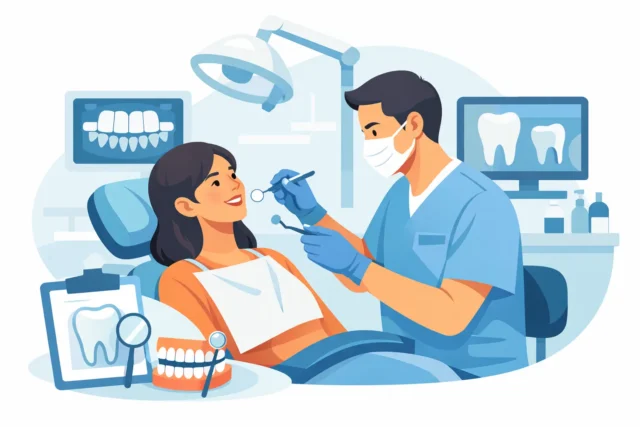
A dental exam for new patients is more than a quick look at your teeth. It is the first chance for your dental team to understand your health, hear what matters to you, and create a care plan that feels manageable. Whether you are bringing in a child for a first visit, returning to the dentist after years away, or looking for a family dental home after a move, you deserve a calm, clear experience.
At Trail Ridge Dental, the goal is to make that first appointment feel welcoming rather than overwhelming. You will have time to ask questions, discuss concerns, and learn what your smile needs now – without pressure or judgment.
What happens during a dental exam for new patients?
New-patient visits are usually more detailed than routine checkups because your dentist is getting to know your full oral health picture. The exact appointment may vary based on your age, dental history, symptoms, and the condition of your teeth and gums. For example, someone with a broken tooth or severe pain may need focused urgent treatment first, while someone coming in for preventive care may have a more comprehensive exam and cleaning.
Most appointments begin with a conversation about your medical and dental history. Be ready to share current medications, allergies, past dental treatment, and any health conditions that could affect care. Diabetes, pregnancy, heart conditions, sleep concerns, jaw pain, and certain medications can all influence your gums, healing, or treatment options.
Your dental team will also ask what brought you in. Maybe you want to keep up with routine care, have noticed bleeding gums, are unhappy with the color or shape of your teeth, or need help replacing a missing tooth. There is no wrong reason to schedule. Being honest about what you have noticed helps your dentist focus the exam and make recommendations that fit your priorities.
Digital X-rays and diagnostic images
Many new patients need digital X-rays, especially if recent images are not available or do not show the areas your dentist needs to evaluate. X-rays reveal concerns that cannot be seen during a visual exam, including decay between teeth, infection near a root, bone changes, impacted teeth, and issues beneath older fillings or crowns.
Not every patient needs the same type or number of images. Your dentist will recommend X-rays based on your age, history, symptoms, and risk for dental disease. If you have X-rays from a previous office, let the team know. When they are recent and diagnostically useful, they may reduce the need for new images.
A close look at teeth, gums, and bite
During the clinical exam, your dentist checks each tooth for cavities, cracks, worn enamel, loose restorations, and signs of infection. They will evaluate existing crowns, bridges, fillings, implants, dentures, or veneers to make sure they are still functioning well.
Your gums receive equal attention. Healthy gums help support your teeth for life, so the team may measure the spaces between your gums and teeth, look for bleeding or inflammation, and assess bone support. Gum disease can progress quietly, particularly in its early stages, which is one reason regular exams matter even when nothing hurts.
Your dentist may also evaluate your bite, jaw joints, chewing muscles, tongue, cheeks, and other soft tissues. Jaw clicking, morning headaches, tooth grinding, or soreness when chewing can point to concerns that deserve a closer look. An oral cancer screening is commonly part of a comprehensive exam as well.
Will you receive a cleaning at the first visit?
Often, yes, but it depends on what the exam shows. If your gums are healthy and you are due for routine preventive care, a cleaning may be completed during the same appointment. This visit removes plaque and tartar in places brushing and flossing cannot fully reach and gives you a fresh start with home care.
If there are signs of periodontal disease, a standard cleaning may not be the right treatment. You may need a deeper periodontal cleaning designed to address buildup below the gumline and help control infection. That is not a reason to worry or feel embarrassed. It simply means your care should match the health of your gums rather than follow a one-size-fits-all schedule.
For patients who have been away from dental care for a while, separating the exam and cleaning can sometimes allow more time for a thorough assessment and a thoughtful treatment conversation. It depends on your needs, scheduling, and the type of care recommended.
How to prepare for your first appointment
A little preparation can make your visit easier. Complete new-patient forms ahead of time when possible, and bring your photo ID, insurance information, and a current medication list. If you have a medical device, such as a CPAP, or have been advised to take antibiotics before dental work, mention it when scheduling and again at the visit.
Write down questions before you arrive. You may want to ask about sensitivity, a tooth that occasionally aches, cosmetic options, wisdom teeth, snoring, braces, or the best way to help a child brush effectively. Small concerns are worth mentioning. Catching a problem early can often mean simpler, more affordable treatment.
If dental visits make you nervous, say so. Anxiety is common, and a good dental team will adjust the pace, explain what they are doing, and give you breaks when needed. You can also ask for simple comfort measures, such as having procedures explained before they begin or agreeing on a hand signal if you need to pause.
Parents can help children have a positive first experience by using calm, straightforward language. Tell them the dentist will count their teeth and help keep their smile healthy. Avoid describing treatment they may not need or using dental visits as a consequence for eating sweets. A relaxed approach helps children build trust in their care team.
Talking through your treatment plan
Once the exam is complete, your dentist will review what they found and discuss next steps. If your smile is healthy, the plan may be as simple as routine cleanings, home-care guidance, and a recommended recall schedule. If treatment is needed, your dentist should explain the issue, why it matters, the available options, expected timing, and what may happen if you choose to wait.
Dental care is rarely all-or-nothing. A small cavity may need a filling soon, while a worn cosmetic bonding may be safe to monitor. A missing tooth may be replaced with an implant, bridge, or removable option depending on your health, goals, budget, and timeline. For a damaged tooth, a same-day crown may be appropriate in some cases, but not every tooth needs or qualifies for that approach.
The best plan balances clinical needs with your life. Let your dentist know if you have an upcoming event, travel plans, a tight budget, or concerns about appointment time. Transparent conversations about insurance, payment options, and membership plans for patients without insurance can help you make decisions with more confidence.
Questions worth asking before you leave
You should never feel rushed into leaving with unanswered questions. Before you go, make sure you understand what your exam found, whether any concerns are urgent, and what your next appointment is meant to accomplish. Ask how to care for a temporary restoration, reduce sensitivity, improve gum health, or manage discomfort if relevant.
It can also help to ask which changes at home should prompt a call. Persistent pain, swelling, a chipped tooth, a loose crown, bleeding that does not improve, or a sore that does not heal should not wait for your next routine visit. Early contact often gives your dental team more choices for protecting your oral health.
Your first visit can set the tone for long-term care
A new-patient exam is not a test you can fail. It is a starting point, and every person arrives with a different dental history. Some patients need only preventive support. Others need help getting out of pain, restoring function, rebuilding confidence in their smile, or simply finding a practice where the whole household can receive care.
Choose a dental office where you feel heard, where recommendations are explained clearly, and where returning for care feels realistic. A thoughtful first appointment can turn an overdue task into the beginning of a comfortable, lasting relationship with your dental health.