
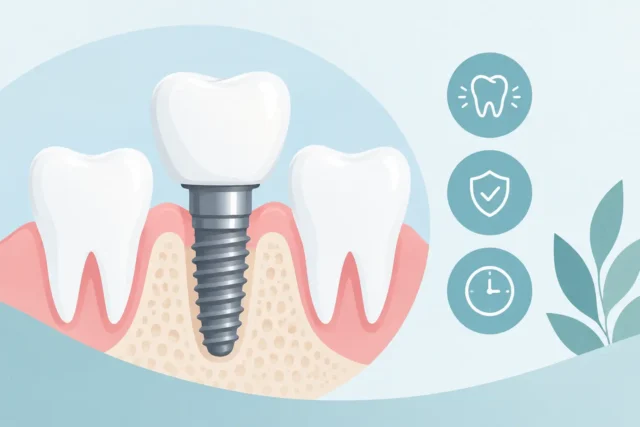
A missing tooth can change more than your smile. It can make chewing less comfortable, affect the way you speak, and leave you avoiding photos or favorite foods. Dental implants are designed to replace the entire missing tooth, including the root beneath the gumline, so your smile can feel stable, natural, and complete again.
For many patients, an implant is a long-term alternative to a removable denture or a traditional bridge. It is also a personal decision. The best choice depends on your oral health, the location of the missing tooth, your goals, your timeline, and your budget. A thoughtful consultation can turn a big decision into a clear, manageable treatment plan.
What Are Dental Implants?
A dental implant is a small, biocompatible post that is placed in the jawbone where a tooth root once was. After the bone heals around it, the implant provides a strong foundation for a custom restoration. That restoration may be a single crown, a bridge that replaces several teeth, or a denture that is secured in place.
The visible crown is shaped and colored to blend with your surrounding teeth. Because the implant is anchored in the jaw rather than resting on the gums, it can provide a more secure feel than many removable options. Patients often appreciate being able to speak, smile, and eat with greater confidence.
Implants also support the jawbone. When a tooth is lost, the bone in that area may gradually shrink because it no longer receives the stimulation of a tooth root. Replacing the root with an implant can help preserve the structure that supports your facial appearance and neighboring teeth.
Why Replace a Missing Tooth?
It can be tempting to wait when a missing tooth is not causing pain, especially if it is near the back of the mouth. But the mouth is a connected system. Teeth beside an open space can drift, the opposing tooth can move out of position, and changes in your bite can make chewing less efficient over time.
Replacing the tooth may help you maintain proper spacing and distribute biting pressure more evenly. In the front of the smile, it can also restore the confidence that comes from knowing your teeth look natural when you laugh, talk, or meet someone new.
That does not mean every missing tooth requires the same solution. A dental bridge, partial denture, or implant-supported restoration may each be appropriate in different circumstances. Your dentist can explain the practical advantages and trade-offs of each option without pushing a one-size-fits-all answer.
Who May Be a Good Candidate for Dental Implants?
Many adults with one or more missing teeth can be candidates for dental implants. Good candidates typically have healthy gums, enough bone to support an implant, and a commitment to daily home care and regular dental visits. Age alone is rarely the deciding factor. Overall health and healing ability matter more.
Before recommending treatment, your dental team will examine your teeth and gums, review your medical history, and take detailed imaging of your jaw. This planning phase is essential. It helps identify concerns such as gum disease, untreated decay, infection, bone loss, or bite issues that should be addressed first.
Some patients need a bone graft before implant placement. This procedure builds or strengthens the area of the jaw that will support the implant. It can extend the timeline, but it may create a more stable result. Patients who smoke, have poorly controlled diabetes, take certain medications, or have a history of radiation treatment to the jaw may need additional evaluation and a carefully tailored plan.
The Dental Implant Process, Step by Step
The process is usually completed in stages, although the exact sequence varies from person to person. Your dentist will explain what applies to your needs before treatment begins.
Planning and preparation
The first step is a consultation and complete assessment. If a damaged tooth needs to be removed, your dentist will discuss whether implant placement can happen at the same visit or whether the area should heal first. Existing gum disease or infection must be treated before an implant is placed.
This is also the time to talk honestly about comfort, timing, and costs. If dental anxiety has kept you from seeking care, let your team know. A compassionate office should help you understand each appointment and offer options that make treatment feel more comfortable.
Implant placement
During placement, the dentist makes a small opening in the gum and positions the implant in the jawbone. Local anesthesia is commonly used to keep you comfortable. Afterward, mild soreness, swelling, or bruising is possible for a few days. Most patients manage this period with the aftercare instructions and medications recommended by their dentist.
The implant then needs time to heal and bond with the bone, a process called osseointegration. Healing commonly takes several months. In select cases, a temporary tooth may be placed while the final restoration is being planned, particularly when appearance is a concern.
The final restoration
Once the implant is stable, an attachment called an abutment may be placed, followed by the custom crown, bridge, or denture. Your dentist checks the fit, appearance, and bite carefully. The goal is not simply to fill a space, but to create a restoration that works comfortably with the rest of your smile.
How Long Do Implants Last?
With consistent care, dental implants can last for many years and often much longer. The crown attached to an implant may eventually need repair or replacement because it experiences normal chewing wear, but the implant itself is designed to be a durable foundation.
Long-term success depends on several factors: gum health, bite forces, tobacco use, medical conditions, and daily hygiene all matter. An implant cannot get a cavity, but the gums and bone around it can still develop inflammation or infection. This is why brushing twice daily, cleaning between teeth, and keeping regular professional cleanings remain essential.
If you clench or grind your teeth, a night guard may be recommended to protect both the implant restoration and your natural teeth. Small preventive steps can make a meaningful difference over time.
Comparing Implants With Bridges and Dentures
A traditional bridge can replace a missing tooth relatively quickly, but it usually relies on the teeth next to the gap for support. Those neighboring teeth may need to be reshaped for crowns, even if they are otherwise healthy. An implant stands independently, which can preserve more of your natural tooth structure.
A removable partial denture may be a more affordable option upfront and can replace multiple teeth. However, some patients find removable appliances less stable or less convenient for daily eating and cleaning. Implant-supported dentures can offer added security for patients missing several or all teeth, though they require a more involved treatment process.
Cost is a real part of the decision. Implants often involve a larger initial investment than some alternatives, particularly when grafting or additional treatment is needed. Looking at the expected lifespan, maintenance needs, comfort, and impact on nearby teeth can help you compare choices more fully. Ask for a clear treatment estimate and discuss available payment or membership options if you do not have dental insurance.
Caring for Your Implant at Home
Once your restoration is complete, care should feel familiar. Brush thoroughly with a soft toothbrush and fluoride toothpaste, paying attention to the gumline around the crown. Clean between teeth daily with floss, interdental brushes, or another tool recommended by your dental team. The right tool depends on the shape of your restoration and the space around it.
Do not ignore bleeding, persistent tenderness, a loose-feeling crown, or changes in the way your bite comes together. These concerns do not always mean the implant has failed, but early evaluation can prevent a smaller issue from becoming more complicated.
At Trail Ridge Dental, implant planning begins with listening to what you need from your smile and your daily life. Whether you are replacing one tooth or exploring a more extensive solution, you deserve straightforward answers, skilled care, and a team that helps you feel at home throughout the process.
A missing tooth does not have to define how you eat, speak, or smile. Schedule a consultation when you are ready to talk through your options, ask every question on your mind, and take the next step at a pace that feels right for you.