
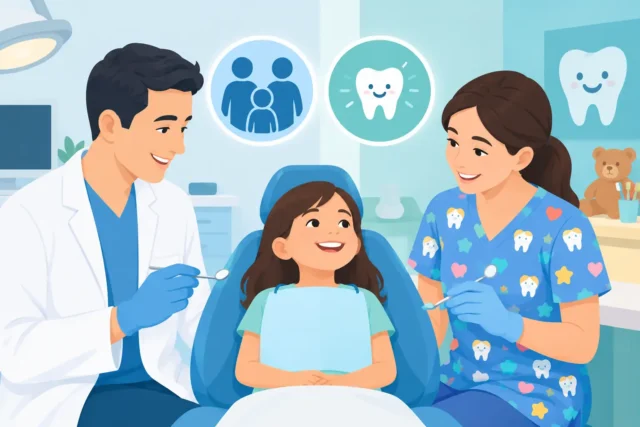
A child’s first few dental visits can shape how they feel about oral health for years. That is why the choice between a family dentist or pediatric dentist deserves more than a quick search for the closest office. Both can provide valuable care for children, but they offer different experiences, training paths, and practical advantages for busy families.
The best fit often comes down to your child’s age, dental needs, temperament, and whether you want one dental home for the entire household. For many Northern Colorado families, convenience matters just as much as clinical skill. A practice that helps your child feel comfortable, explains treatment clearly, and remains available as their needs change can make routine care much easier to maintain.
What a Family Dentist Provides
A family dentist treats patients across the lifespan, from young children to grandparents. This broad focus makes family dentistry a practical option when you want parents, children, and teens to receive care in one familiar setting.
For a child, a family dental visit typically includes preventive exams, cleanings, fluoride recommendations, dental sealants when appropriate, cavity treatment, and guidance on brushing, flossing, nutrition, and habits such as thumb-sucking. A family dentist can also monitor how baby teeth are coming in, watch permanent teeth develop, and identify concerns that may call for orthodontic planning or more specialized treatment.
The greatest benefit is continuity. Your child can begin with gentle early visits and continue seeing the same practice as they lose baby teeth, get braces, play sports, and eventually need adult preventive or restorative care. Seeing familiar faces can be especially reassuring for children who are nervous in medical settings.
Family dentistry also simplifies scheduling. Instead of coordinating appointments at separate offices, families may be able to book care for multiple household members on the same day. When a parent needs a crown, a teen needs a sports mouthguard, and a younger child is due for a cleaning, one practice can reduce time away from work and school.
What Makes Pediatric Dentistry Different
A pediatric dentist is a dentist who completes additional specialty training focused on the oral health and development of infants, children, adolescents, and patients with special health care needs. Their offices are often designed around children, with child-sized equipment, kid-friendly environments, and teams experienced in helping young patients through new or stressful experiences.
Pediatric dentistry can be a strong choice for toddlers, children with significant dental anxiety, children with developmental or sensory differences, or those with complex medical and dental needs. Pediatric specialists also frequently manage issues unique to early childhood, including severe tooth decay, dental trauma involving baby teeth, and behavior guidance for children who are not yet able to cooperate with routine treatment.
That specialty focus can be invaluable in the right situation. If your child has a history of difficult visits, requires extensive treatment at a very young age, or needs care coordinated with other medical providers, a pediatric dentist may offer the most appropriate level of support.
Still, a pediatric office is not automatically the better choice for every child. Many children do very well in a warm, experienced family practice, particularly when their care is preventive and their visits are introduced early and positively.
Family Dentist or Pediatric Dentist: Key Questions to Ask
Rather than choosing based on a label alone, consider what your child and family need now and what may matter over time.
How young is your child?
The American Dental Association recommends a child’s first dental visit by their first birthday or within six months of the first tooth appearing. Very young children may benefit from a practice that is especially comfortable with early childhood visits. However, many family dentists regularly care for infants and toddlers and know how to make those first appointments calm, brief, and encouraging.
Ask the office how it approaches first visits. A reassuring team will focus on helping your child become familiar with the environment, building trust at their pace, and giving you practical information about home care.
Does your child have special dental or behavioral needs?
If your child has a complex medical history, sensory sensitivities, severe anxiety, or extensive dental treatment needs, pediatric specialty care may be the best starting point. A family dentist may also be able to provide excellent care and coordinate a referral when a specialist’s expertise would benefit your child.
The key is not forcing a child through an experience that feels overwhelming. The right provider listens to your concerns, explains options without judgment, and has a clear plan for protecting both comfort and oral health.
Do you want one dental home for the family?
For households balancing school, sports, work, and everyday responsibilities, a family dentist can offer meaningful convenience. Parents often appreciate receiving their own care alongside their children’s, especially when the practice can address everything from preventive cleanings to crowns, implants, braces, or urgent dental needs.
A long-term relationship also helps the dental team understand family patterns. They may recognize a tendency toward crowded teeth, gum disease, grinding, or cavities and provide earlier guidance for each family member.
What is the office experience like?
A child does not need cartoon walls or prize bins to have a positive visit, although those touches can be nice. More important is whether the team speaks to your child respectfully, uses clear and gentle language, and gives them time to adjust.
Look for a practice that welcomes questions and does not make parents feel rushed. A good dental experience is built through small moments: introducing instruments before using them, celebrating cooperation, explaining what will happen next, and responding kindly when a child feels unsure.
The Role of Preventive Care
Whether you choose a family dentist or a pediatric dentist, prevention should be at the center of your child’s care. Regular exams allow the dental team to catch concerns while they are smaller and easier to treat. Cleanings remove plaque in places young brushers often miss, while fluoride and sealants may provide added protection against cavities.
At home, young children generally need help brushing until they have the dexterity to do it thoroughly on their own. That often means a parent taking an active role longer than expected. Your dental team can show you the right amount of fluoride toothpaste for your child’s age, discuss flossing, and help you spot habits that may affect developing teeth.
Preventive visits are also where children learn that dentistry is a normal part of caring for themselves. When appointments happen before there is pain, children have a better chance to build confidence without associating the dental office only with emergencies.
When a Family Dentist May Refer Your Child
Choosing a family dentist does not close the door on specialty care. A dependable family practice knows when collaboration is appropriate. Your child may be referred to a pediatric dentist, orthodontist, oral surgeon, or another specialist for complex treatment, significant trauma, advanced behavior support, or a condition requiring focused expertise.
That referral is a sign of thoughtful care, not a limitation. The goal is always to connect your child with the provider and setting that best support a healthy outcome. After specialty treatment, many families return to their family dentist for ongoing cleanings, exams, and routine care.
Making the First Visit Easier
You can help set a positive tone before your child ever sits in the dental chair. Describe the appointment simply and positively. Let them know the dentist will count their teeth and help keep their smile healthy. Avoid using words that suggest pain or punishment, even if you are trying to prepare them.
Try to schedule at a time when your child is usually rested and fed. Bring a favorite comfort item if it helps, and let the dental team know ahead of time about anxiety, sensory preferences, medical conditions, or previous difficult experiences. Honest communication gives the team an opportunity to personalize the visit.
At Trail Ridge Dental, the goal is to help every member of the practice family feel at home, from a child arriving for a first checkup to an adult seeking more advanced treatment. A welcoming, relationship-focused approach can make it easier for parents and children to keep returning for the care they need.
The right choice is the one that gives your child skilled care, a sense of safety, and a realistic path to consistent visits. If you are unsure where to begin, schedule a conversation with a dental team, share what your child needs, and pay attention to how well they listen. A positive first connection can be the start of a healthy smile and a healthier relationship with dental care for years to come.