
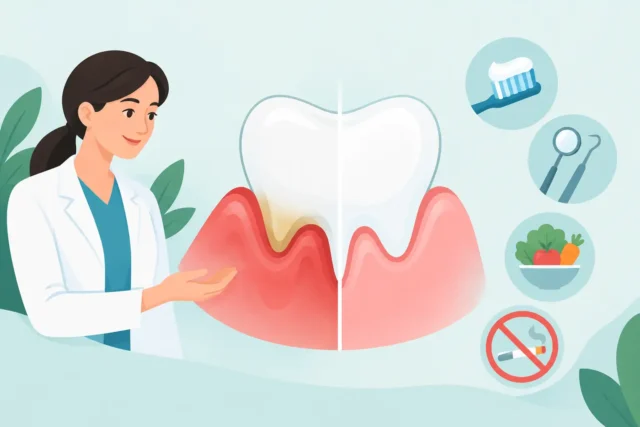
Bleeding when you brush is easy to dismiss, especially when life is busy. But healthy gums generally do not bleed with gentle brushing or flossing. Knowing how to treat gum disease starts with taking that small sign seriously before inflammation progresses into a problem that can threaten the bone supporting your teeth.
Gum disease is common, treatable, and often manageable with consistent care. The right treatment depends on whether you have early gum inflammation, called gingivitis, or more advanced periodontal disease. A dental exam is the best way to tell the difference and build a plan that fits your smile, health history, and comfort level.
What Gum Disease Looks Like in Its Early Stages
Gum disease begins when plaque, a sticky film of bacteria, remains around the gumline. If it is not removed thoroughly each day, the gums can become irritated and inflamed. Plaque can then harden into tartar, which cannot be brushed away at home.
Early gingivitis may cause red or puffy gums, bleeding during brushing or flossing, tenderness, or persistent bad breath. At this stage, the inflammation can often be reversed with a professional cleaning and better daily plaque removal.
Periodontitis is more advanced. The gums can pull away from the teeth, creating deeper spaces called pockets where bacteria collect. Over time, this infection can damage the tissue and bone that hold teeth in place. Receding gums, loose or shifting teeth, changes in how your bite feels, pus around the gumline, and ongoing bad breath all deserve prompt attention.
Not everyone experiences pain with gum disease. That is one reason regular checkups matter: a dentist can measure gum pockets and spot changes that may not be visible or uncomfortable yet.
How to Treat Gum Disease at Home and at the Dentist
Home care matters at every stage, but it has limits. Brushing and flossing can reduce bacteria near the gumline, yet they cannot remove tartar or fully clean deep periodontal pockets. If bone loss or deep pockets are present, professional care is essential.
Start with a gentler, more thorough daily routine
Brush twice a day for two minutes using a soft-bristled toothbrush and fluoride toothpaste. Aim the bristles gently toward the gumline rather than scrubbing hard. Aggressive brushing can irritate the gums and contribute to recession, so more pressure is not better cleaning.
Clean between your teeth once a day. Traditional floss works well when used correctly, while interdental brushes, water flossers, or floss picks can be useful alternatives for some people. The best option is the one you can use carefully and consistently. If your gums bleed when you begin flossing, do not stop automatically. Bleeding from inflammation often improves after a week or two of consistent, gentle cleaning. If it continues, schedule an exam.
An antimicrobial mouth rinse may be recommended for certain patients, but rinse is not a substitute for brushing between teeth. Your dentist can advise whether an over-the-counter option or a prescription rinse makes sense for your situation.
Schedule a professional evaluation and cleaning
For mild gingivitis, a routine dental cleaning can remove plaque and tartar from above the gumline. Combined with better home care, this may be enough to return the gums to a healthier state.
If the disease has progressed below the gumline, your dentist may recommend scaling and root planing, often called a deep cleaning. This treatment removes tartar and bacterial buildup from beneath the gums and smooths root surfaces so the gum tissue can heal and reattach more effectively. Depending on the extent of treatment and your comfort needs, it may be completed in more than one visit with local anesthetic.
A deep cleaning is not simply an extra-thorough standard cleaning. It is periodontal treatment for infection below the gumline. Afterward, gums may feel tender for a few days, and some sensitivity can occur as inflammation settles. Your dental team will explain what is normal and how to care for your mouth while it heals.
Keep periodontal maintenance appointments
After gum disease treatment, many patients benefit from periodontal maintenance visits more often than the typical six-month schedule. Three- or four-month intervals are common, but the right timing depends on pocket depths, bleeding, bone levels, home care, smoking status, and medical conditions such as diabetes.
These visits allow your care team to remove buildup before it causes another flare-up and monitor whether the gums are responding. Gum disease can be controlled for the long term, but it can return when treatment and home care stop.
Consider advanced treatment when needed
Some cases need care beyond scaling and root planing. Medication placed directly into deep pockets, oral antibiotics, periodontal surgery, gum grafting, or regenerative procedures may be considered when pockets remain deep or bone loss is significant. Antibiotics are not a stand-alone cure for gum disease. They may help in selected situations, but removing the bacterial buildup and improving daily hygiene remain central to treatment.
If a tooth has severe bone loss, extraction and replacement options may also need to be discussed. That can feel overwhelming, but early treatment offers the best chance to keep natural teeth stable.
Factors That Can Make Gum Disease Harder to Control
Plaque causes gum disease, but several factors can make inflammation more severe or healing more difficult. Tobacco use is one of the biggest concerns because it raises the risk of periodontal disease and can mask bleeding, making the gums appear healthier than they are. Quitting is one of the most meaningful steps a person can take for both oral and overall health.
Diabetes and gum disease can also affect one another. Elevated blood sugar can make infections harder to control, while periodontal inflammation may make blood sugar management more challenging. Coordinated medical and dental care is especially valuable for patients with diabetes.
Pregnancy-related hormone changes, stress, dry mouth, certain medications, crowded teeth, and a family history of gum disease can all play a role. None of these means gum disease is inevitable. They simply mean a more personalized prevention and maintenance plan may be helpful.
When to Call a Dentist Soon
Do not wait for your next routine visit if you notice swelling that is getting worse, a gum abscess, pus, a loose tooth, new gaps between teeth, significant pain, or swelling in your face or jaw. These can be signs of an active infection that needs timely care.
Persistent bleeding, bad breath that does not improve with cleaning, or gums that look red and swollen also warrant an appointment. The earlier a problem is addressed, the less likely it is to require more complex treatment.
For patients in Northern Colorado who feel nervous about dental visits, the goal should never be judgment. At Trail Ridge Dental, periodontal care begins with a clear explanation of what is happening, what treatment may help, and how to move forward at a pace that feels manageable.
Can Gum Disease Be Reversed?
Gingivitis can often be reversed because it affects the gums before there has been permanent damage to the supporting bone. Professional cleaning and consistent brushing and interdental cleaning can allow swollen, bleeding gums to heal.
Periodontitis cannot be fully reversed in the same way because lost bone and attachment do not always grow back. Still, it can often be treated and controlled. Reducing infection, shrinking pockets, stabilizing bone levels, and following a maintenance plan can protect your teeth for many years.
Does Gum Disease Treatment Hurt?
Treatment should be tailored to your needs. Routine cleanings are usually comfortable, though inflamed gums may be tender. For scaling and root planing, local anesthetic can numb the area being treated. If dental anxiety has kept you from seeking care, tell your dental team before treatment begins. Comfort options, breaks, and a clear step-by-step explanation can make the experience much easier.
Your gums are part of the foundation of your smile. If they bleed, ache, or seem different, a simple exam now can give you clear answers and a practical path back to healthier teeth and gums.