
A cracked tooth rarely shows up on a quiet week. It happens before a trip, in the middle of school pickup, or right when your calendar is already full. That is why a same day crown guide can be so helpful. If your dentist recommends a crown, knowing you may be able to restore your tooth in one visit instead of two can make the whole process feel much more manageable.
Same-day crowns are designed for convenience, but they are not just about saving time. They can also protect a damaged tooth quickly, reduce the time you spend in a temporary crown, and help you get back to eating and smiling with more confidence. For many patients in Northern Colorado, that combination of speed, comfort, and lasting function is exactly what makes this option appealing.
What a same day crown guide should explain first
A dental crown is a custom cap that covers a tooth when the natural structure is too weak, broken, worn down, or heavily restored to function well on its own. Crowns are often used after large fillings, fractures, root canal treatment, or severe decay. They can also improve the shape and appearance of a tooth that needs more than a filling can provide.
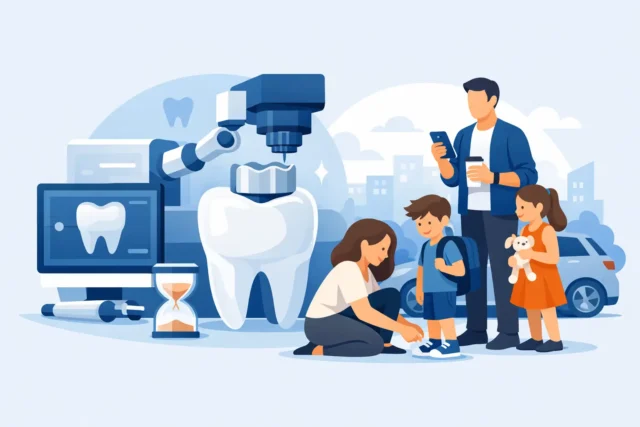
A same-day crown uses in-office technology to design, create, and place the crown during a single appointment. Instead of taking impressions, placing a temporary, and waiting a week or two for a lab-made crown, your dental team can often complete the restoration while you are still in the chair.
Many same-day crowns are made with CEREC technology. In simple terms, that means your dentist uses a digital scanner to capture a highly detailed image of your tooth, designs the crown on a computer, and mills it from a ceramic block right in the office. After adjustments and bonding, the crown is placed that same day.
How the appointment usually works
The process starts a lot like a traditional crown appointment. Your dentist examines the tooth, takes any needed images, and confirms that a crown is the right treatment. If the tooth has deep decay, a crack, or a large failing filling, the damaged area is cleaned out and the tooth is shaped so the new crown will fit securely.
Next comes the digital scan. Instead of biting into impression material, you will likely have a small scanner moved around the tooth and nearby teeth to create a 3D model. Many patients find this more comfortable than traditional impressions, especially if they have a strong gag reflex.
Once the scan is complete, the crown is designed to match your bite and tooth shape. The milling unit then creates the crown in the office. During that time, your team may check shade, refine the design, and prepare for placement. When the crown is ready, your dentist tries it in, makes any needed adjustments, and bonds it into place.
You leave with the final crown, not a temporary. That is one of the biggest reasons patients appreciate this treatment.
Why patients choose same-day crowns
For most people, the clearest advantage is time. One visit is easier to fit into work schedules, school routines, and family responsibilities than two separate appointments. If you live in Johnstown, Longmont, or nearby communities, fewer trips to the dentist can be a real benefit.
There is also a comfort factor. Temporary crowns can come loose, feel bulky, or create sensitivity. A same-day option reduces that in-between period. Your tooth is protected sooner, which can matter if it is already feeling fragile.
Digital scanning is another plus. It can be more precise and more comfortable than older impression methods. Patients who feel nervous about dental treatment often appreciate anything that makes the process feel simpler and more predictable.
That said, convenience is not the only measure of quality. A well-made same-day crown should still be carefully fitted, shaped, and matched to your bite. The technology helps, but the result still depends on thoughtful planning and experienced clinical judgment.
Who is a good candidate for a same-day crown
Many adults and older teens are good candidates, especially when a back tooth or visible tooth needs a strong ceramic restoration and the case is straightforward. Same-day crowns are commonly used for teeth with large fractures, failed fillings, or moderate structural damage.
But not every tooth should automatically get a same-day crown. It depends on the location of the tooth, how much healthy structure remains, your bite, and whether there are other issues such as active gum disease or severe grinding. In some situations, a traditional lab-made crown may still be the better choice.
For example, a front tooth that needs a very detailed cosmetic match might benefit from outside lab customization. A case involving complex bite changes or very limited remaining tooth structure may also call for a different approach. Good dentistry is not about forcing every patient into the fastest option. It is about choosing what will hold up well and look right for your situation.
What this same day crown guide means for durability
A common question is whether same-day crowns last as long as traditional crowns. The short answer is that they can last many years when they are placed properly and cared for well. Material choice, bite forces, oral hygiene, and habits like clenching all play a role.
Ceramic same-day crowns are strong and esthetic, but they are not indestructible. Biting ice, chewing on pens, or grinding your teeth at night can shorten the life of any crown. If you clench or grind, your dentist may recommend a night guard to protect both your crown and your natural teeth.
Daily care is simple. Brush thoroughly, floss around the crown, and keep up with regular checkups and cleanings. A crown does not get cavities, but the tooth underneath can still develop decay at the margin if plaque is allowed to build up.
Cost, insurance, and value
Cost matters, and patients are right to ask about it. A same-day crown is often priced similarly to a traditional crown, though fees can vary based on the tooth, material, and whether additional treatment is needed first. If a tooth also needs a buildup or root canal, the total cost will be higher than the crown alone.
Dental insurance may help cover part of the treatment, depending on your plan and whether the crown is considered medically necessary. If you do not have insurance, membership savings or financing options can make care more approachable. At Trail Ridge Dental, many patients appreciate having practical ways to move forward without delaying treatment on a tooth that needs attention.
Waiting can become more expensive. A cracked or weakened tooth may worsen, and what starts as a crown case can eventually turn into a root canal or extraction if it is left too long. In that sense, timely treatment can be a better value than putting it off.
What recovery feels like
Most patients do very well after a same-day crown appointment. You may notice some mild tenderness around the gums or slight sensitivity for a day or two, especially if the tooth had a lot of prior damage. That usually settles quickly.
Your bite should feel even when you chew. If it feels high or awkward after the numbness wears off, call your dental office. A small adjustment can make a big difference in comfort.
It is also normal to be extra aware of a new crown at first. Your mouth usually adapts within a few days. If discomfort lingers, it is worth having it checked rather than hoping it resolves on its own.
Questions worth asking before treatment
If your dentist recommends a crown, ask whether a same-day option is a good fit for your specific tooth. It is also reasonable to ask about the material being used, how long the appointment will take, what the expected lifespan is, and whether there are alternatives.
If you are someone who gets anxious in the dental chair, let your team know. A welcoming office can talk you through each step, explain what you are feeling, and help the visit feel more comfortable. For many patients, reassurance matters just as much as technology.
A same-day crown can be an excellent solution when your tooth needs protection and your schedule does not have room for unnecessary extra visits. The best next step is a clear conversation about your tooth, your goals, and what kind of treatment will serve you well for the long term.