
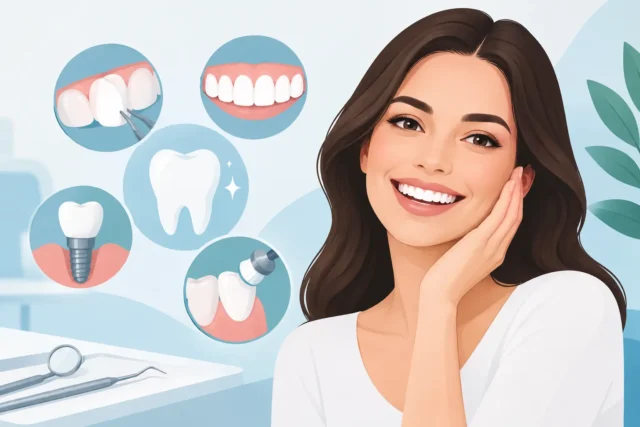
A brighter smile can be a small change with a big effect. Maybe you notice coffee stains in photos, a chipped front tooth when you speak, or teeth that look uneven even after years of good brushing. The best cosmetic dental treatments are not the same for every person. The right choice depends on what you would like to change, the health of your teeth and gums, your timeline, and your budget.
Cosmetic dentistry should never feel like pressure to chase a perfect smile. At its best, it is a thoughtful way to help your teeth look more balanced, natural, and like they belong to you. A dentist can help you sort through the options and begin with treatment that protects your long-term oral health.
What Makes a Cosmetic Treatment the Right One?
The most attractive result is usually the one that fits your face, bite, and natural tooth color. Before recommending cosmetic treatment, your dental team should check for concerns such as tooth decay, gum disease, cracks, grinding, or bite problems. Whitening a tooth with untreated decay, for example, will not solve discomfort. Placing a veneer on a tooth that is taking too much bite pressure may lead to a shorter-lasting result.
Your goals matter, too. Are you hoping for a noticeably whiter smile before a wedding? Are you bothered by one small chip? Do you want to straighten crowded teeth without the appearance of traditional braces? Each concern can call for a different approach.
It also helps to think in terms of maintenance. Some treatments are quick but may need periodic touch-ups. Others last longer but involve a greater investment or changes to the tooth structure. A good consultation is a conversation, not a one-size-fits-all recommendation.
Best Cosmetic Dental Treatments to Consider
Professional teeth whitening
Professional whitening is often a practical first step for healthy teeth with yellowing or surface stains. It can brighten your overall smile without altering the shape of your teeth. This makes it a good fit for people whose teeth are naturally well aligned but have become darker from coffee, tea, red wine, tobacco, aging, or certain medications.
Dental whitening is more predictable than many over-the-counter products because your treatment is selected and monitored by a dental professional. Some people experience temporary sensitivity, particularly if they already have sensitive teeth. Whitening also does not change the color of crowns, veneers, fillings, or bonding. If you have visible dental work, your dentist can help you plan the order of treatment so your smile looks consistent.
Dental bonding for small, targeted changes
Dental bonding uses tooth-colored composite resin to repair small chips, soften uneven edges, close modest gaps, or improve the appearance of a tooth with discoloration. It is often one of the more conservative cosmetic options because little to no natural tooth enamel may need to be removed.
Bonding can often be completed in a single visit, which is helpful when you want a quick improvement. The trade-off is that composite resin is not as stain-resistant or durable as porcelain. It may chip or wear over time, especially if you bite your nails, chew ice, or grind your teeth. For the right small correction, though, bonding can create a very natural-looking result.
Porcelain veneers for a more dramatic transformation
Veneers are thin, custom-made porcelain shells that cover the front surfaces of teeth. They can improve the appearance of teeth that are deeply stained, worn, slightly misshapen, unevenly spaced, or affected by minor chips. Because porcelain reflects light in a way that resembles natural enamel, well-designed veneers can look refined rather than overly bright or artificial.
Veneers are a significant decision. In many cases, a small amount of enamel must be adjusted to make room for the veneer, and that change is generally irreversible. Veneers also do not prevent cavities or gum disease, so daily brushing, flossing, and regular cleanings remain essential. If you clench or grind your teeth, a nightguard may be recommended to help protect your investment.
For someone who wants to address several visible concerns at once, veneers may be an excellent choice. For a single tiny chip or mild discoloration, bonding or whitening may be a more conservative place to start.
Clear aligners and braces for straighter teeth
If the main concern is crowding, gaps, or teeth that have shifted over time, orthodontic treatment addresses the source of the issue rather than covering it. Clear aligners, including options such as SureSmile, can be a discreet option for many teens and adults with mild to moderate alignment concerns. Traditional braces may be better for more complex tooth movement or certain bite issues.
Straightening teeth can improve smile appearance, but the benefits often go beyond cosmetics. Properly aligned teeth may be easier to clean, and correcting bite concerns can help reduce uneven wear. Treatment takes commitment: aligners must be worn as directed, and retainers are necessary after treatment to help maintain the result. The timeline varies, but the outcome can be especially rewarding because it preserves your natural teeth.
Crowns for teeth that need strength as well as beauty
A dental crown covers the entire visible portion of a tooth. While crowns are commonly restorative, they can also improve the appearance of a tooth that is badly discolored, weakened, fractured, heavily filled, or misshapen. Modern ceramic crowns can be matched carefully to neighboring teeth for a natural result.
Crowns are not typically the first cosmetic choice for a healthy tooth, since they require more preparation than whitening, bonding, or veneers. They are often the right choice when appearance and durability need to work together. Same-day CEREC crowns may also make treatment more convenient for eligible patients, reducing the need for multiple appointments.
Gum contouring when the gumline affects your smile
Sometimes teeth appear short or uneven because of the gumline rather than the teeth themselves. Gum contouring can reshape excess or uneven gum tissue to create more balanced proportions. It may be considered on its own or as part of a broader smile makeover.
This treatment is not appropriate for every concern, especially when gum inflammation or periodontal disease is present. Healthy gums are the foundation of cosmetic dentistry, so your dentist may recommend periodontal treatment first if there are signs of bleeding, swelling, or bone loss.
How to Choose Between Cosmetic Options
Start by naming the one or two things you most want to change. This helps prevent you from paying for a more extensive treatment when a simpler option could meet your goal. A patient who wants a brighter smile may be thrilled with whitening. Someone with a chipped tooth and a small gap may find bonding is enough. A person with multiple worn, stained, or uneven front teeth may benefit from a more comprehensive veneer or crown plan.
Bring up practical concerns early. Let your dentist know if you have a deadline, dental anxiety, tooth sensitivity, a history of grinding, or a specific budget. These details shape treatment planning. For example, aligners may be effective but not ideal if you cannot wear them consistently. Veneers may offer a dramatic improvement, but they require careful planning and long-term upkeep.
It is also wise to ask what maintenance will look like after treatment. Whitening may need occasional refreshers. Bonding can need repair. Veneers and crowns can last many years with attentive home care and regular dental visits, but they are not permanent. A clear understanding of these trade-offs makes it easier to choose confidently.
A Healthy Smile Comes First
Cosmetic dentistry and healthy dentistry should work together. Before changing color, shape, or alignment, a dentist should evaluate your gums, bite, existing restorations, and overall tooth condition. This is particularly important if you have pain, sensitivity, loose teeth, frequent headaches, jaw discomfort, or bleeding gums.
For families in Northern Colorado, Trail Ridge Dental can help make that process feel comfortable and clear. Whether your goal is one subtle improvement or a more complete change, the conversation should begin with what makes you feel confident, what keeps your teeth healthy, and what fits your life.
A smile you enjoy sharing does not need to look like anyone else’s. Choose the treatment that respects your natural features, supports your oral health, and gives you a reason to smile without thinking twice.